The recent pledge by Aliko Dangote to lead a 650,000‑barrels‑per‑day (bpd) refinery in Tanga, Tanzania, is more than a vanity project for Africa’s richest man. Industry observers say it is a mirror of a deeper question: Will East African governments finally move beyond talk of regional integration and turn this vision into a shared infrastructure asset that cuts fuel imports, stabilises prices, and reshapes the region’s energy map?
From imported fuel to regional self‑reliance
Every year, East Africa ships tens of billions of dollars in foreign exchange to the Middle East, Asia, and Europe to pay for refined fuel, while crude oil from Uganda, South Sudan, and the Democratic Republic of the Congo is exported in raw form.
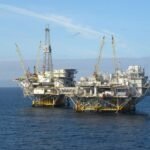
A Dangote‑style refinery in Tanga, fed by a pipeline from Mombasa and inland crude sources, could flip this equation: process more oil locally, reduce import dependence, and convert a trade deficit into a regional offshoot of the Lagos‑style mega‑refinery that is already changing Africa’s fuel logistics.
For Kenya in particular, this is not just about “cheaper fuel” slogans; it is about reclaiming value from the Mombasa corridor. The port already handles the lion’s share of East Africa’s refined products, yet most of that cargo is foreign‑refined. A Tanga‑linked regional refinery could give Kenyan firms, hauliers, and manufacturers a shorter, more predictable supply chain, while forcing home‑grown refineries and marketers to compete on efficiency rather than on monopoly‑rents.
Tanzania’s stake and the pipeline gamble
Hosting the refinery would put Tanzania at the centre of a new energy‑infrastructure axis stretching from the Albertine‑Rift basins to the Indian Ocean. Tanga would evolve from a secondary port to a refining node, with higher cargo volumes, more tanker calls, and growth in logistics, storage, and ancillary services.
Crucially, Tanzania could also earn transit fees and political leverage by positioning itself as the gateway for regional crude and refined‑product flows.
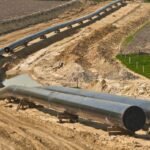
But the geometry of success hinges on the pipeline. The envisioned line from Mombasa to Tanga, and then into the interior, will require a colossal capital commitment and years of regulatory and security work. Past experience with large cross‑border pipelines in East Africa shows that politics, community opposition, and environmental scrutiny can quickly derail projects that look great on paper.
If the Tanga‑pipeline axis stumbles, the refinery risks becoming a half‑built white elephant stranded without a guaranteed crude‑supply route.
The real test is regional politics, not Dangote
Dangote’s four‑ to five‑year timeline is ambitious, but it is also conditional on “regional governments backing the project.” That polite phrase hides the real challenge: East Africa’s traditional habit of signing splashy memoranda of understanding while failing to deliver sustained coordination.
Will Kenya, Tanzania, Uganda, South Sudan, and potentially the DRC agree on crude‑supply quotas, refining tariffs, offtake shares, and equity stakes? Or will bureaucratic inertia and competing national interests fracture the project into a series of smaller, less efficient schemes?
Past attempts to build regional refinery strategies and joint‑equity projects have faltered because countries could not agree on who should own what and how much of it should be reserved for local markets. If the Tanga plan is to succeed, it must be framed explicitly as a shared asset, not as a Tanzanian “host” favouring a private Nigerian investor.
Governments will need to show the same discipline they’ve shown in harmonising taxes and tariffs within the East African Community, but now in the far more sensitive arena of energy security and pricing.
Winners, losers, and the risk of leaving citizens behind
If the project is well structured, the winners could be many: East African economies that reduce their import bills, businesses that gain more predictable fuel prices, and a wave of engineering and construction jobs that could lift skilled labour across the region.
However, the losers will likely be narrow coalitions of import‑dependent traders and marketers who profit from the current fragmented system, as well as foreign refiners that dominate the existing supply chain.
The biggest risk, though, is that the political and commercial elite capture the benefits while ordinary consumers see little improvement at the pump. Fuel prices in East Africa are shaped not only by refinery margins but by taxes, levies, forex swings, and distribution margins.
Unless governments commit to transparent pricing, pipeline‑cost regulation, and fair competition among marketers, the Tanga refinery could become a magnificent engine that still runs on familiar old mechanics: expensive fuel, opaque margins, and public frustration.
A moment to choose integration over inertia
Dangote’s pledge is, at heart, a political litmus test. It offers East Africa a shortcut to the kind of integrated energy infrastructure that has already begun to reshape West Africa.
The question is not whether the region needs such a refinery—everyone agrees it does—but whether national leaders can trust each other enough to build it as a common asset, not a trophy.
If the Tanga project is executed as a genuinely regional undertaking, it would be a landmark in East Africa’s industrialisation story. If it is fumbled by egos and short‑term calculations, the region will simply be left with another abandoned promise—and another decade of watching fuel tankers sail in from afar while its own oil is shipped out in raw form.