Ghana has signed a US $28bn investment agreement with a consortium led by UAE-based Global Sphere to develop the second phase of its Petroleum and Petrochemicals Hub in Jomoro, Western Region, in a move aimed at expanding domestic refining capacity and strengthening the country’s position in West Africa’s energy market.
The agreement, signed in Accra through a memorandum of understanding and an Investment and Land Development Agreement, brings together investors and technical partners from the United Arab Emirates, South Korea and Mali. The proposed development will be implemented under a Build-Own-Operate (BOO) model, with construction targeted to begin in the first quarter of 2027, subject to the resolution of outstanding technical, land and preparatory issues.
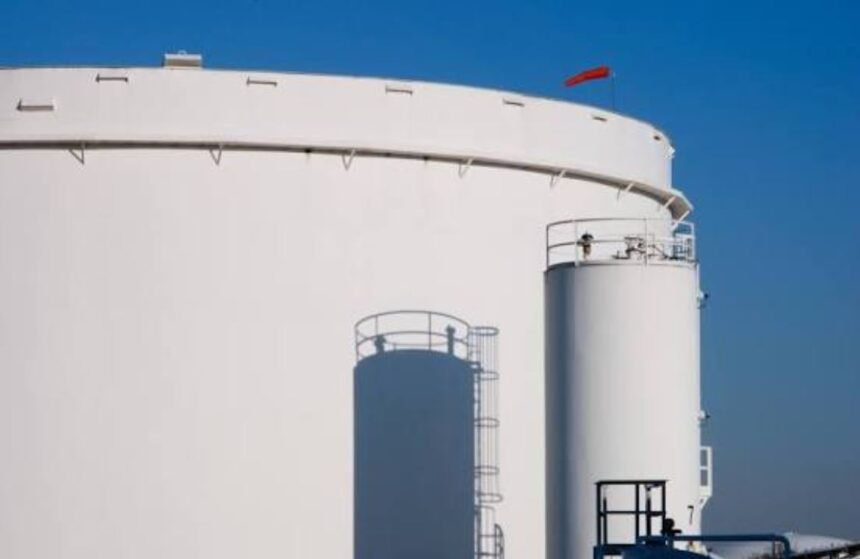
The second phase will feature a refinery with a processing capacity of 300,000 barrels per stream day, two petrochemical plants, storage facilities with a combined capacity of four million cubic metres and a multi-berth jetty to support the handling and transportation of petroleum products. The consortium is expected to develop the facilities over five years. However, the financing process remains ongoing, with the investors working to mobilise capital and finalise the project’s financial structure.
READ: Morocco opens bids for 350 MW of solar projects
Strategy
Ghana’s Minister of Energy and Green Transition, John Abdulai Jinapor, said the development was central to the government’s strategy to increase domestic value addition and capture greater economic benefits from the country’s petroleum resources. He said Ghana’s crude oil production was beginning to recover following five years of decline, pointing to investment agreements worth US $1.5bn with Eni and US $2bn with Jubilee Partners, alongside ongoing deepwater drilling activities.
Jinapor stressed that higher crude production needed to be supported by adequate refining and processing infrastructure to reduce reliance on imported petroleum products and expand the domestic industrial base. He added that the proposed refinery’s capacity would allow Ghana to serve markets across the wider West African sub-region rather than concentrating solely on domestic demand.
The project is also expected to support the government’s industrialisation programme, including its 24-Hour Economy and Accelerated Export Development agenda. Potential opportunities include employment in construction and engineering, technical training, logistics, equipment supply and the development of local businesses participating in the petroleum value chain.
Consortium representative Boubacar Belco Bah said the partners were advancing investment mobilisation and financial structuring for the project. The process includes efforts to secure strategic equity participation, arrange long-term debt financing and establish credit enhancement and risk-mitigation mechanisms.
Bah cautioned that signing the agreement did not mean the required financing had been secured, highlighting the need to translate the investment proposal into binding financial commitments and completed infrastructure. Petroleum Hub Development Corporation (PHDC) Chief Executive Officer Toni Aubynn said the agreement followed months of preparation and investor engagement. He said the project’s progress would ultimately be assessed through the infrastructure delivered, capital mobilised, jobs created and economic benefits generated for Ghana.
Outstanding land acquisition and compensation issues remain important considerations. Jinapor has pledged to coordinate with the ministries responsible for finance and lands, as well as the Attorney-General’s Office, to address the remaining obstacles and help advance implementation. Ghana’s petroleum hub ambitions predate the latest agreement. In August 2024, former President Nana Akufo-Addo launched a separate first-phase initiative valued at US $12bn, which also included plans for a 300,000-barrel-per-day refinery. The wider development has faced questions about commercial viability and concerns from some local residents over land requirements.
The regional petroleum market has also become more competitive following the start of commercial operations at Nigeria’s Dangote refinery in 2024, adding a major refining facility to a region that has historically depended heavily on imported fuels. For Ghana, the proposed hub’s long-term viability will depend on securing financing, establishing reliable crude supply arrangements, controlling processing costs and attracting sufficient demand for its refined and petrochemical products.
The resolution of land and compensation matters, followed by evidence of committed funding and the start of construction, will be key milestones in determining whether the US $28bn proposal can advance towards implementation and deliver on Ghana’s ambition to become a major petroleum processing and distribution centre in West Africa.