Kenya is revisiting plans to construct a crude oil pipeline connecting the South Lokichar oil fields in Turkana County to the proposed Dangote refinery in Lamu, in a move that could reshape the country’s petroleum transportation infrastructure and strengthen its ambitions to become a regional energy hub.
The proposed pipeline is gaining renewed attention as the government explores ways to connect domestic crude oil production with large-scale refining capacity. The planned refinery, backed by Nigerian industrialist Aliko Dangote, is expected to create additional demand for crude supplies and potentially improve the commercial case for developing the long-delayed transportation link.
The pipeline concept was previously held back by concerns over its substantial construction costs and the difficulty of securing financing. However, the emergence of the Lamu refinery project has renewed discussions about developing infrastructure capable of moving crude from Kenya’s northwestern oil fields to the coast.
READ: Uganda launches US $17.7Bn energy compact to expand electricity access by 2030
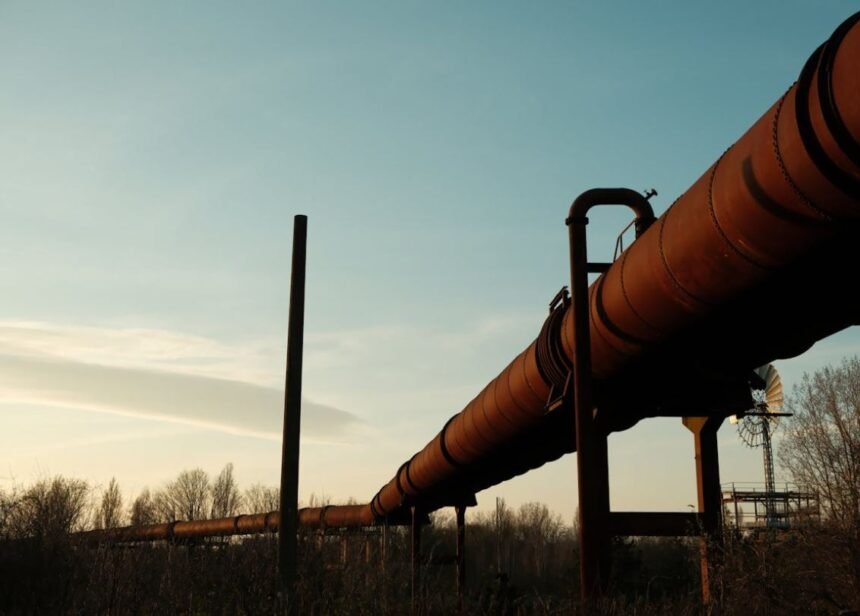
Turkana–Lamu oil pipeline
Kenya had also explored alternative transportation arrangements, including extending the railway network to the South Lokichar fields. The proposed railway extension was estimated to cost approximately KSh220 billion, but the government has continued to consider pipeline infrastructure as a potential long-term solution for transporting larger volumes of crude.
The pipeline would require specialised engineering because of the characteristics of Kenya’s crude oil, which has a relatively high wax content and needs to be heated to maintain its flow during transportation. The renewed discussions come as Kenya prepares to begin commercial oil production in the South Lokichar Basin. Gulf Energy, which acquired the petroleum development interests previously held by Tullow Oil, is leading efforts to advance the project, with initial production targeted for December 2026.
Kenya’s initial production plans envisage output of approximately 20,000 barrels per day, with the potential to increase to 50,000 barrels per day as development progresses. Higher production levels would require more efficient transportation infrastructure to move crude from the oil fields to export terminals or domestic processing facilities.
The proposed Dangote refinery in Lamu is expected to have a processing capacity of 700,000 barrels per day. Its development could provide Kenya with an additional downstream market, although domestic crude production would represent only a fraction of the facility’s potential feedstock requirements. The pipeline proposal is therefore part of a wider effort to coordinate upstream petroleum development with refining, storage and distribution infrastructure. If implemented, the project could reduce reliance on road transportation, support increased crude production and strengthen Kenya’s position in the regional petroleum market.