Morocco and Norway have expanded their cooperation on carbon market mechanisms through a new bilateral agreement aligned with Article 6.2 of the Paris Agreement, marking a significant step in both countries’ climate and renewable-energy ambitions.
The agreement was formalized on May 5, 2026, by Leila Benali and Andreas Bjelland Eriksen. The framework is designed to support cooperative carbon-market approaches that generate internationally transferable mitigation outcomes (ITMOs) while helping both nations meet their nationally determined contributions (NDCs) under the Paris climate framework.
READ: Zambia commissions Itimpi Solar Photovoltaic (PV) Park
Scope of deal
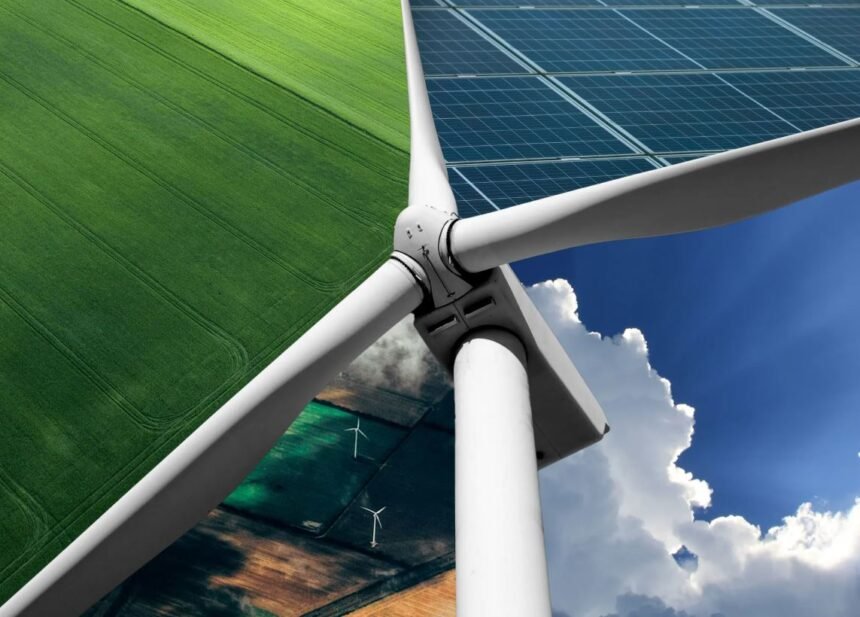
As part of the partnership, the two countries intend to implement a Generation-Based Incentive (GBI) programme aimed at deploying approximately 2 GW of renewable-energy capacity in Morocco between 2026 and 2036. The programme will also include battery energy storage systems to improve grid stability and renewable-energy integration.
According to Morocco’s Ministry of Energy Transition and Sustainable Development, the initiative will prioritize projects considered technically complex or commercially less attractive, offering additional financial support through carbon-market mechanisms to improve project viability. The programme is expected to reduce carbon dioxide emissions by up to 10 million tonnes by 2030. Authorities say the initiative will also help attract green investment, mobilize climate finance, encourage technology transfer and create employment opportunities in Morocco’s clean-energy sector.
The agreement aligns with Morocco’s updated climate strategy, which targets a 53% reduction in greenhouse-gas emissions by 2035. The revised goal, submitted under the country’s NDC 3.0 framework in October 2025, represents a significant increase from the earlier target of 45.5% by 2030.
In parallel, Morocco plans to expand its renewable-energy capacity to more than 15 GW by 2030, alongside investments in energy storage, grid modernization and regional electricity interconnections. The country is also pursuing a conditional coal phase-out target by 2040, dependent on the availability of international support and financing. Morocco continues to face mounting climate-related challenges, including prolonged droughts, erratic rainfall patterns and other environmental pressures linked to climate change.