Morocco has recorded a substantial recovery in its water reserves, with the country’s dams holding more than 11.28 billion cubic metres of water as of November 15, 2026. The increase has pushed the national reservoir filling rate to 66.27%, highlighting an improvement in water availability after several years of severe drought.
Data from Morocco’s Ministry of Equipment and Water indicates that the current storage level represents a significant increase from the 31.03% filling rate recorded during the corresponding period in 2025. The country’s combined dam storage capacity stands at approximately 17.03 billion cubic metres.
The recovery has been supported by improved water inflows into several major river basins, although storage levels remain uneven across the country. The Tensift basin currently has the highest filling rate at 80.37%, followed by Bouregreg at 76.53% and Sebou at 73.84%. The Moulouya and Loukkos basins have recorded filling rates of 72.45% and 72.20%, respectively. Ziz-Ghris stands at 59.79%, while Oum Er-Rbia has reached 59.60%. Further south, water storage remains comparatively lower, with Souss-Massa at 53.02% and Drâa-Oued Noun at 39.51%.
READ: 520 MW Koruson 2 renewable energy cluster in South Africa commissioned
Relief to Morocco’s water sector
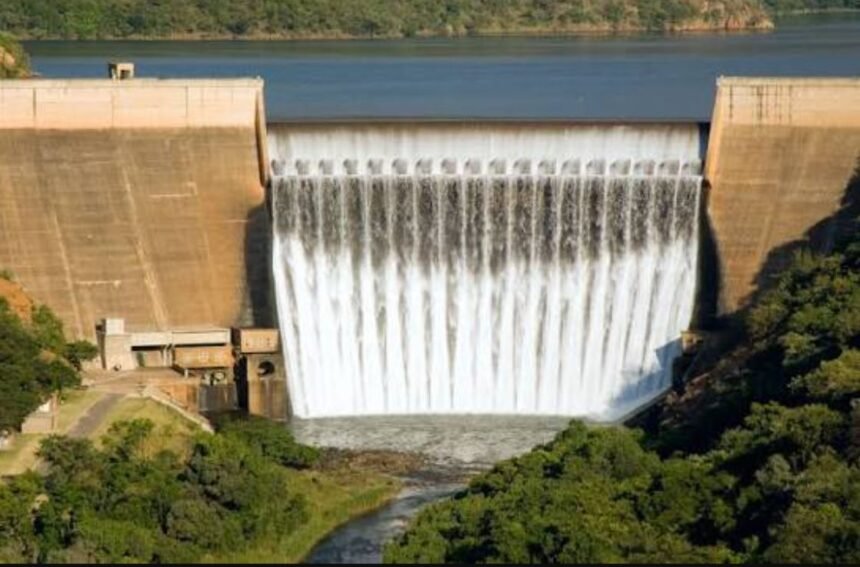
Among individual reservoirs, Al Wahda Dam, Morocco’s largest water storage facility, has reached 74.98% of its capacity, containing approximately 2.59 billion cubic metres. Al Massira Dam holds around 1.11 billion cubic metres, equivalent to 41.87% of its total capacity. Other important reservoirs have also registered improved levels. Bin El Ouidane has reached 78.69% of capacity, while Idriss I and Sidi Mohammed Ben Abdellah have recorded 71.68% and 71.78%, respectively. A reservoir along Oued Za has reached full capacity, with approximately 87.92 million cubic metres of stored water.
The improvement offers some relief to Morocco’s water sector, which has faced mounting pressure from prolonged drought, declining groundwater resources and increasing demand from households, agriculture and industry. Higher reservoir levels could strengthen the country’s ability to meet drinking water requirements, support irrigation activities and improve the reliability of supplies to economically important agricultural regions.
Despite the recovery, regional differences in water availability remain a concern, particularly in southern areas where reservoir levels are still relatively low. Morocco is therefore continuing to prioritise long-term water security through investments in dam infrastructure, seawater desalination, wastewater reuse and inter-basin water transfer systems. The latest figures provide a positive indication of improving national water reserves, although sustained rainfall, efficient water management and continued infrastructure development will remain essential to protecting Morocco against future drought conditions.