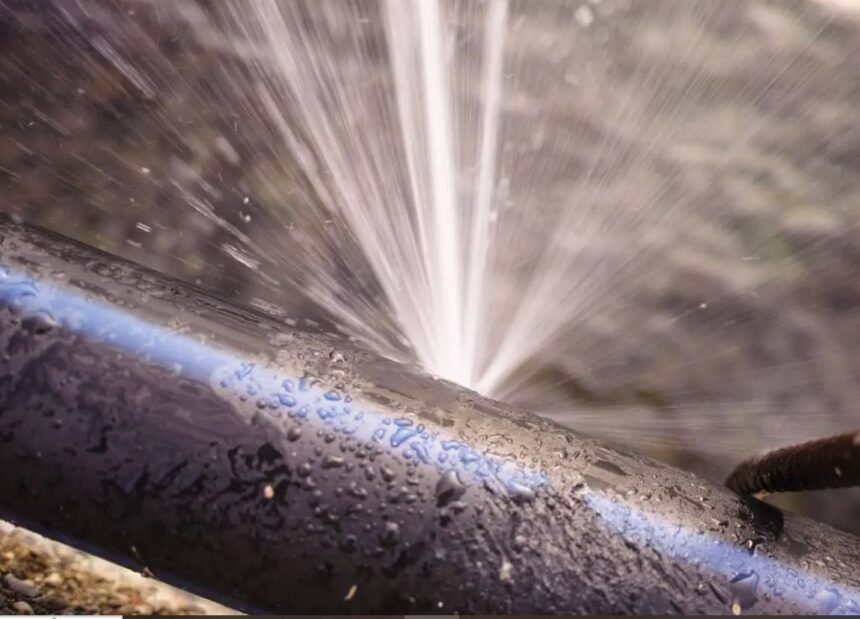
Kenya’s Nairobi City Water and Sewerage Company (NCWSC) completed emergency repair works on the Sasumua–Kabete transmission pipeline, restoring water supply to thousands of households, businesses and institutions across the capital after a planned shutdown of the Sasumua Water Treatment Plant.
The maintenance operation highlighted the growing pressure on Nairobi’s water infrastructure as the city continues to face a widening gap between water demand and available supply. Nairobi currently requires more than 900 million litres of water per day, while production averages about 525 million litres, creating a persistent deficit that has increased the importance of maintaining key transmission assets.
READ: Ghana inks offshore MoUs with Eni, Vitol
Sasumua–Kabete pipeline
The Sasumua–Kabete pipeline is one of the city’s critical bulk water supply corridors, transporting water from Sasumua Dam in Nyandarua County to the Kabete Water Treatment Works before distribution across Nairobi. Any disruption along the line can have significant implications for residential consumers, commercial establishments and industrial operations that depend on a reliable water supply.
NCWSC said technical teams were deployed along the transmission route to undertake urgent repairs, including replacing damaged components, stabilizing affected sections of the pipeline and addressing pressure-management issues. The utility also carried out testing and safety checks before restoring normal operations.
The temporary shutdown affected a wide range of economic and institutional centres, including the Central Business District, Upper Hill, Westlands, Kilimani, Karen and Lang’ata. Major facilities such as Jomo Kenyatta International Airport, Kenyatta National Hospital, the University of Nairobi, the United Nations complex in Gigiri and numerous manufacturing and logistics businesses within the Industrial Area also experienced supply interruptions during the maintenance period.
The repairs underscored the strategic importance of investment in Nairobi’s water infrastructure as rapid population growth, urban expansion and aging assets place increasing strain on existing systems. Water supply reliability has become a critical factor for business continuity, industrial productivity and service delivery in the city’s expanding economy.
Following the completion of the emergency works, NCWSC resumed water distribution to affected areas and said the intervention was necessary to safeguard the integrity of the transmission network and reduce the risk of more severe disruptions in the future. The utility added that continued maintenance and infrastructure upgrades will remain essential as Nairobi seeks to address its long-term water supply challenges and support future economic growth.