South African President Cyril Ramaphosa has unveiled a US $8.8Bn investment programme to strengthen the country’s water and sanitation infrastructure over the next three years, alongside tougher measures to hold municipalities accountable for failures in water service delivery. The announcement reflects the government’s renewed effort to address mounting concerns over deteriorating infrastructure, recurring water shortages and declining municipal performance.
The funding package forms part of South Africa’s broader public infrastructure strategy and is expected to finance projects that expand access to clean water, modernize ageing networks and improve sanitation services. The initiative comes as communities across several provinces continue to grapple with unreliable water supplies that have disrupted households, businesses and economic activity.
READ: Egypt, EU secure US $787M deal to expand power grid for renewable energy growth
Government’s strategy
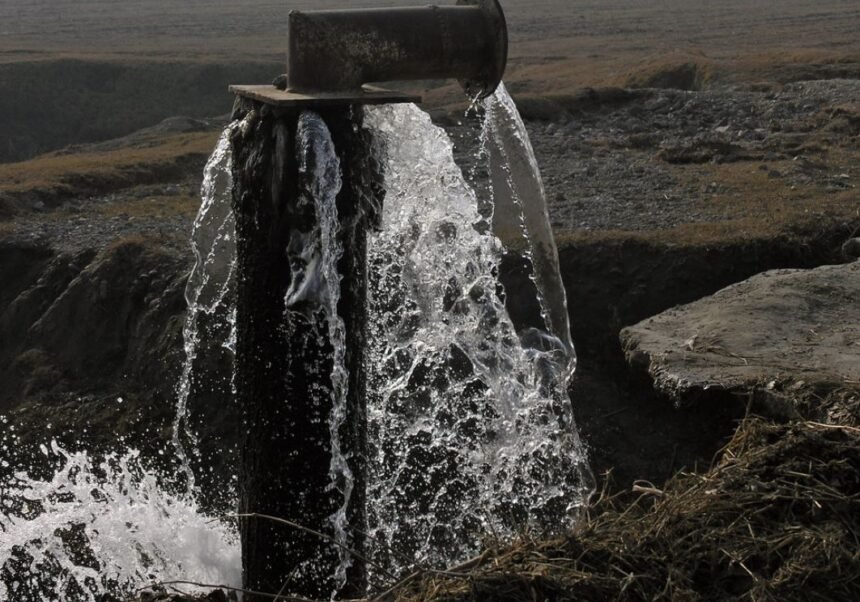
A key feature of the government’s strategy is the newly introduced National Water Access Acceleration Programme, designed to speed up the delivery of water to underserved communities. Rather than relying solely on conventional infrastructure, the programme will prioritize decentralized solutions, including boreholes, groundwater development and rainwater harvesting systems, to provide faster and more resilient access to water.
The programme was officially launched in Hammanskraal, Gauteng, an area that has become a symbol of South Africa’s water challenges following years of supply problems and a deadly cholera outbreak in 2023. As part of the launch, authorities commissioned the Klipdrift Package Water Treatment Plant and handed over new boreholes to residents. Similar water supply initiatives are also being implemented in parts of Gauteng, KwaZulu-Natal and the Eastern Cape.
While acknowledging that democratic South Africa has significantly expanded access to drinking water over the past three decades, Ramaphosa said inadequate maintenance of municipal infrastructure has undermined service delivery in many areas. Ageing pipelines, poor management and delayed maintenance have contributed to declining water quality and frequent interruptions in supply, leaving many communities without reliable access to one of the country’s most essential public services.
To strengthen oversight, the government established the National Water Crisis Committee earlier this year. The body is tasked with coordinating responses across national, provincial and local government while accelerating infrastructure investment, improving municipal performance, reforming water institutions and addressing corruption within the sector.
The administration is also advancing legislative reforms through the proposed Water Services Amendment Bill, which is expected to introduce stricter enforcement provisions and increase accountability for municipal managers responsible for water infrastructure. Officials who fail to meet their legal obligations could face regulatory action, including directives, criminal proceedings and, where permitted, personal liability.
Ramaphosa said restoring water security has become one of the government’s most urgent priorities, stressing that South Africans have grown increasingly frustrated by persistent shortages and unreliable services. He compared the response to the coordinated reforms implemented to reduce electricity load shedding, arguing that a combination of emergency interventions, infrastructure investment and long-term institutional reform will be required to secure reliable water supplies and support the country’s future economic and social development.