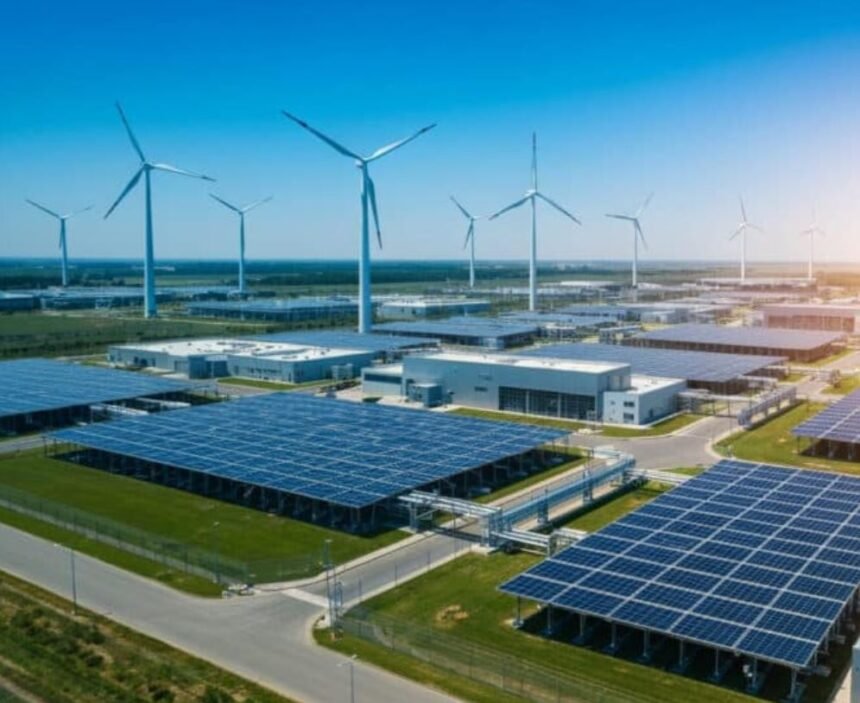
Tanzania is accelerating efforts to expand its renewable energy sector through the procurement of large-scale wind and solar power projects as the country seeks to modernize its electricity system and strengthen long-term energy security.
The move reflects a broader government strategy to attract greater private sector participation in the power industry while reducing reliance on traditional generation sources. For decades, Tanzania’s electricity supply has largely depended on hydropower and natural gas. However, prolonged droughts linked to climate change have periodically disrupted hydropower output, exposing the vulnerability of the country’s energy mix and increasing pressure on the national grid.
READ: Egypt begins initial gas production at Mina West-1 Well
Utility-scale renewable energy development
To address these challenges, the government, through state utility TANESCO, is expanding opportunities for independent power producers to invest in utility-scale renewable energy developments. Tanzania is considered to have strong renewable energy potential, particularly in solar and wind generation. Large areas in the central regions receive high levels of solar irradiation throughout the year, while locations such as Makambako and Kititimo have been identified as favorable sites for commercial wind power projects.
Among the flagship developments is the Kishapu solar project in the Shinyanga region, which has received financial backing from French Development Agency. The project’s first 50 MW phase is already supplying electricity to the national grid and is currently Tanzania’s largest operational grid-connected solar facility. Authorities are now advancing plans for a second phase expected to contribute an additional 100 MW of solar generation capacity.
Alongside Kishapu, Tanzania is engaging with international renewable energy developers on long-term agreements aimed at establishing multi-gigawatt wind and solar projects across different parts of the country. The projects are expected to increase generation capacity, diversify the power mix, and reduce dependence on expensive fossil fuel-based electricity generation.
The government is also prioritizing the expansion of regional transmission infrastructure to support renewable energy integration. Planned investments in high-voltage transmission lines will strengthen interconnections with neighboring countries through regional power pool systems in East and Southern Africa. These cross-border links are expected to improve electricity trade, enhance grid stability, and support the management of intermittent renewable power generation.
By scaling up renewable energy procurement and improving regional grid connectivity, Tanzania aims to build a more resilient and sustainable electricity sector while expanding access to reliable power nationwide.