Tanzania and Uganda have signed a memorandum of understanding with energy trader Vitol Bahrain E.C. to develop the port city of Tanga into a major regional energy and industrial hub, deepening cooperation between the two East African economies.
The agreement was signed in Dar es Salaam in the presence of Tanzanian President Samia Suluhu Hassan and Ugandan President Yoweri Museveni during Museveni’s working visit to Tanzania. The partnership brings together the Uganda National Oil Company (UNOC), Tanzania Petroleum Development Corporation (TPDC) and Vitol Bahrain.
The proposed Tanga Regional Energy Hub is expected to combine petroleum storage, refining, fuel logistics, trading, petrochemicals and other energy-related infrastructure. Government officials estimate that the wider development could attract more than US $20bn in investment if the planned projects are fully implemented.
READ: South Africa to receive US $122bn for energy expansion
Strategic location
Tanzania’s Energy Minister Deogratius Ndejembi said the project would take advantage of Tanga’s strategic location on the Indian Ocean and its existing energy infrastructure. The initiative is intended to move the region beyond the export of raw crude by creating opportunities for processing, trading and other higher-value activities.
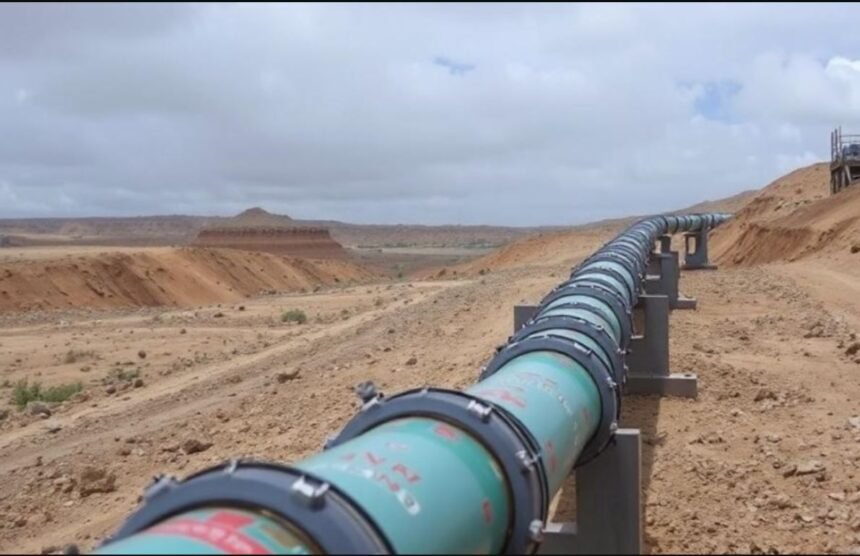
Tanga already plays a central role in Uganda’s oil export strategy as the destination of the 1,443-kilometre East African Crude Oil Pipeline (EACOP), which is being built to transport crude from Uganda’s oil fields to the Tanzanian coast. The pipeline is designed to carry about 230,000 barrels of crude per day to the Port of Tanga.
The proposed hub would expand Tanga’s role beyond crude exports by developing infrastructure for petroleum storage, fuel blending, marine services, logistics and regional fuel trading. Such facilities could help improve supply chains and reduce reliance on overseas trading and refining centres.
For landlocked Uganda, the development could provide additional access to international energy markets as the country moves towards commercial oil production. Uganda is simultaneously pursuing its own refinery project at Hoima, with the Tanga hub expected to serve a broader regional market rather than replace the planned domestic refinery.
The partnership also forms part of a wider expansion of cross-border energy infrastructure. Feasibility and engineering studies are expected for a proposed bidirectional refined petroleum products pipeline between Tanzania and Uganda, while work is also progressing on plans for a cross-border natural gas pipeline.
Vitol’s involvement adds an international commercial dimension to the project. The energy trader already works with UNOC in Uganda on petroleum storage and downstream logistics, potentially providing the proposed hub with access to technical expertise, international markets and financing networks.
However, the project is likely to face environmental and commercial scrutiny. EACOP has drawn criticism over land acquisition, biodiversity, emissions and climate-related concerns, while global financial institutions are becoming more cautious about large fossil-fuel infrastructure investments. The proposed hub will therefore need to demonstrate strong environmental safeguards, regulatory compliance and long-term commercial viability. If successfully developed, the Tanga Regional Energy Hub could strengthen Tanzania’s position as an East African energy gateway while giving Uganda greater access to export infrastructure and helping both countries capture more value from the region’s growing energy industry.