

A recent online debate about the water and sanitation crisis and “summit fatigue” has highlighted a quiet frustration turning into loud anger across Africa—and in South Africa specifically. This follows a recent LinkedIn post by South Africa’s Deputy Minister for Water, Sello Seitlholo, in which he shared a short reflection about being tired of summits and indabas, likely assuming it would remain where most LinkedIn debates do. Little did he know he had spoken for many who shared the same sentiment.
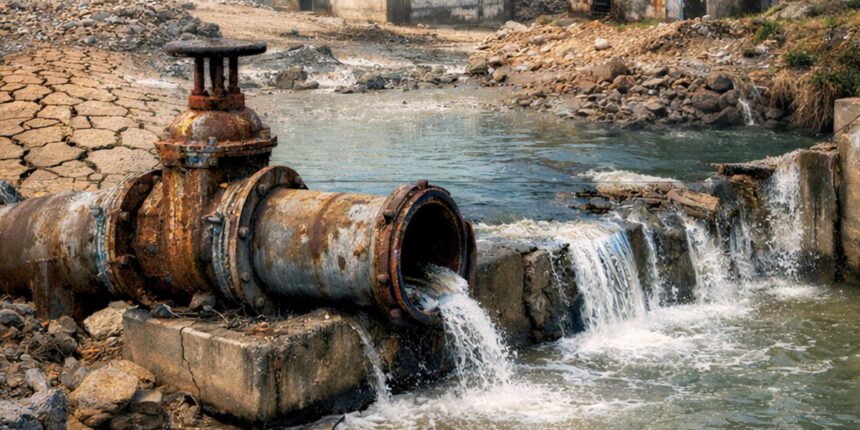
The truth is, people watch conferences take place in fancy hotels while their own taps stay dry. Pump stations break down. Sewage plants run at half capacity. Communities protest.
This feeling is called “summit fatigue,” and it’s real. But here’s the thing: getting rid of summits won’t fix anything. The real problem isn’t that we talk. It’s that we don’t do.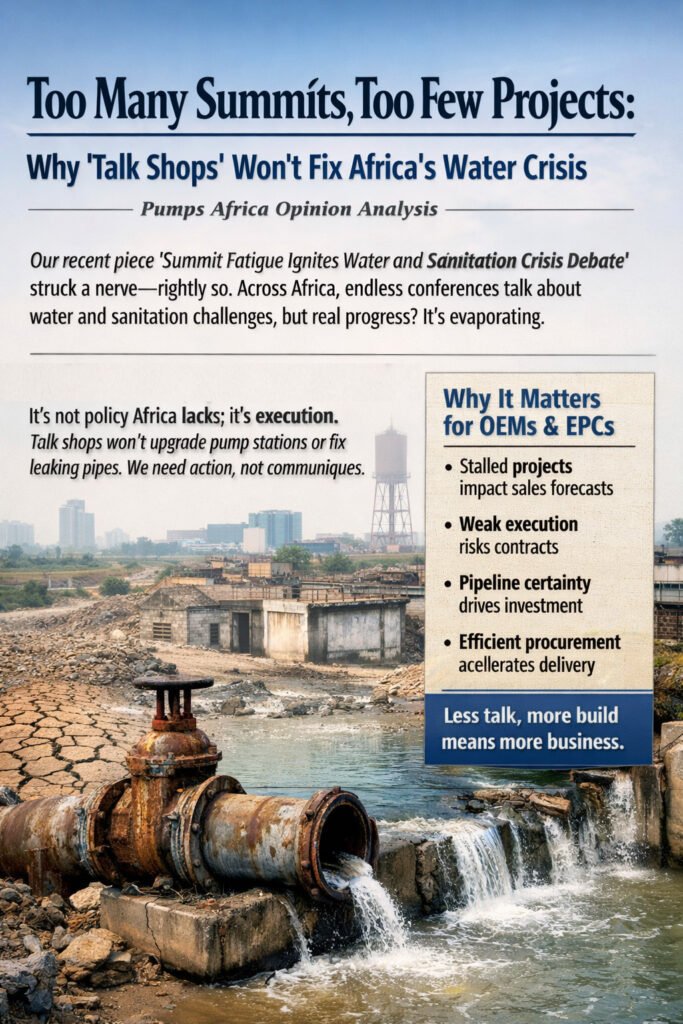
As Seitlholo, recently said, the issue isn’t the meeting itself. It’s that once the meeting ends, nothing changes. Water isn’t just a topic for discussion. It’s about dignity. It’s about health. It’s about whether a child can go to school instead of walking for miles to fetch a bucket.
READ: Water and Sanitation Crisis: SA Deputy Minister Sparks Bold Revolt Against ‘Summit Fatigue’
We need to shift from just talking to actually building. Here are seven honest truths we have to face.
1. Everything Falls Apart at the Local Level.
Plans made at big conferences often die in our towns and cities. This is where the work actually happens—and where things get stuck. Local water offices are often understaffed, underfunded, and stuck in slow bureaucracy. For the person waiting for water, this isn’t a policy failure. It’s an empty well.
2. We Leave with Papers, Not Pumps.
Too many summits end with a stack of documents and a fancy slideshow. What we rarely leave with are the real things we need: money to fix a broken pump, a signed contract for new pipes, or a clear plan to train local technicians. Without these, the talking is just noise.
3. Don’t Cancel the Meetings—Change Them Completely.
We don’t need fewer meetings. We need different ones. A summit shouldn’t be a talk shop. It should be a workshop for action. Its success shouldn’t be measured by how many people attended, but by how many projects started.
4. Make Every Summit a “Deal Room.”
Imagine if every big meeting ended with a short, public list of what will happen next. “We will fix the pump station in District X by September.” “We will train 50 local technicians by year-end.” Clear projects, clear timelines, clear people in charge. That’s accountability.
5. Cut Through the Red Tape.
Good ideas get stuck in procurement for years. We need summits that create faster, simpler ways to buy what we need—standard pumps, pre-approved contractors, clear bidding rules. We can’t let perfect paperwork be the enemy of working water.
6. Train the People on the Ground.
A pump doesn’t fail on its own. It fails because the system around it failed. We need to use these gatherings to train local teams—on how to choose the right pump, how to save energy, how to do maintenance. We invest in infrastructure; we must invest in people, too.
7. Move Pilots to Projects.
We see amazing new technologies at every conference—smart water meters, new treatment methods. But they stay as “pilots” in one town. Summits should be the bridge that takes a good idea and scales it across a hundred towns.
Why This Matters to the People Who Build Things
If you’re a company that makes pumps, or a firm that builds pipelines, this affects you directly. When summits are all talk, your projects get delayed, your costs go up, and getting paid becomes a risk. But when summits drive action, you get a clear pipeline of work, stable demand, and a chance to build lasting partnerships. Action reduces risk. Reduced risk brings investment. Investment delivers water.
The Bottom Line
Fix our local authorities, and we fix half the water and sanitation crisis. This isn’t politics—it’s practical reality. A well-run local water department means plans move, supplies arrive, and maintenance happens.
Our people don’t drink declarations. They drink water. And water flows through pumps that work.
If our Water and Sanitation summits can’t start delivering real, visible change, then the fatigue will turn to total distrust. But if we can turn these meetings into engines for action, then we might just get those taps flowing.
P.S. Would you attend a summit on ‘Summit Fatigue’ in the water and sanitation sector?
The views expressed in this article are those of the author and continue the critical industry dialogue sparked by Pumps Africa’s coverage of water sector challenges.