

Uganda is set to kick off construction of the Amari Power Transmission Project, a move toward strengthening its electricity infrastructure. Two critical agreements were signed to formally move the project into implementation: an Implementation Agreement with the Ministry of Energy and Mineral Development and a Transmission Services Agreement with the Uganda Electricity Transmission Company Limited (UETCL). Their signing clears the way for construction to begin in the coming weeks.
The US $50M initiative that will modernise key elements of the national grid and ease long-standing transmission bottlenecks, is being developed through a partnership between the Government of Uganda and Gridworks, a UK-backed power infrastructure investor, and is notable as the first privately led power transmission project in sub-Saharan Africa to reach the construction phase.
READ: Ethiopia, UK seal US $400Mdeal for power grid upgrade
Amari project
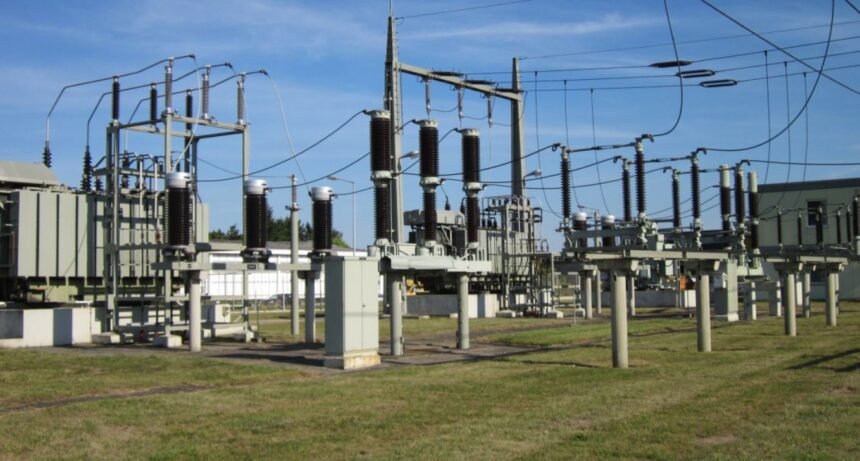
The Amari project will upgrade transformation capacity at four strategic high-voltage substations on Uganda’s national grid. These include the Tororo 220 kV substation in eastern Uganda near the Kenyan border, which will strengthen cross-border power flows; the Nkenda 132 kV substation in western Uganda, a key interconnection point with the Democratic Republic of Congo; and the Mbarara North 132 kV and Mbarara South 220 kV substations, also located in western Uganda.
Together, the upgrades are expected to reduce grid congestion, lower system losses and significantly improve power quality and reliability, particularly for industrial users. The project will support Uganda’s industrialisation agenda by enabling more stable electricity supply for manufacturing, mining and other energy-intensive sectors, while also creating jobs during the construction phase.
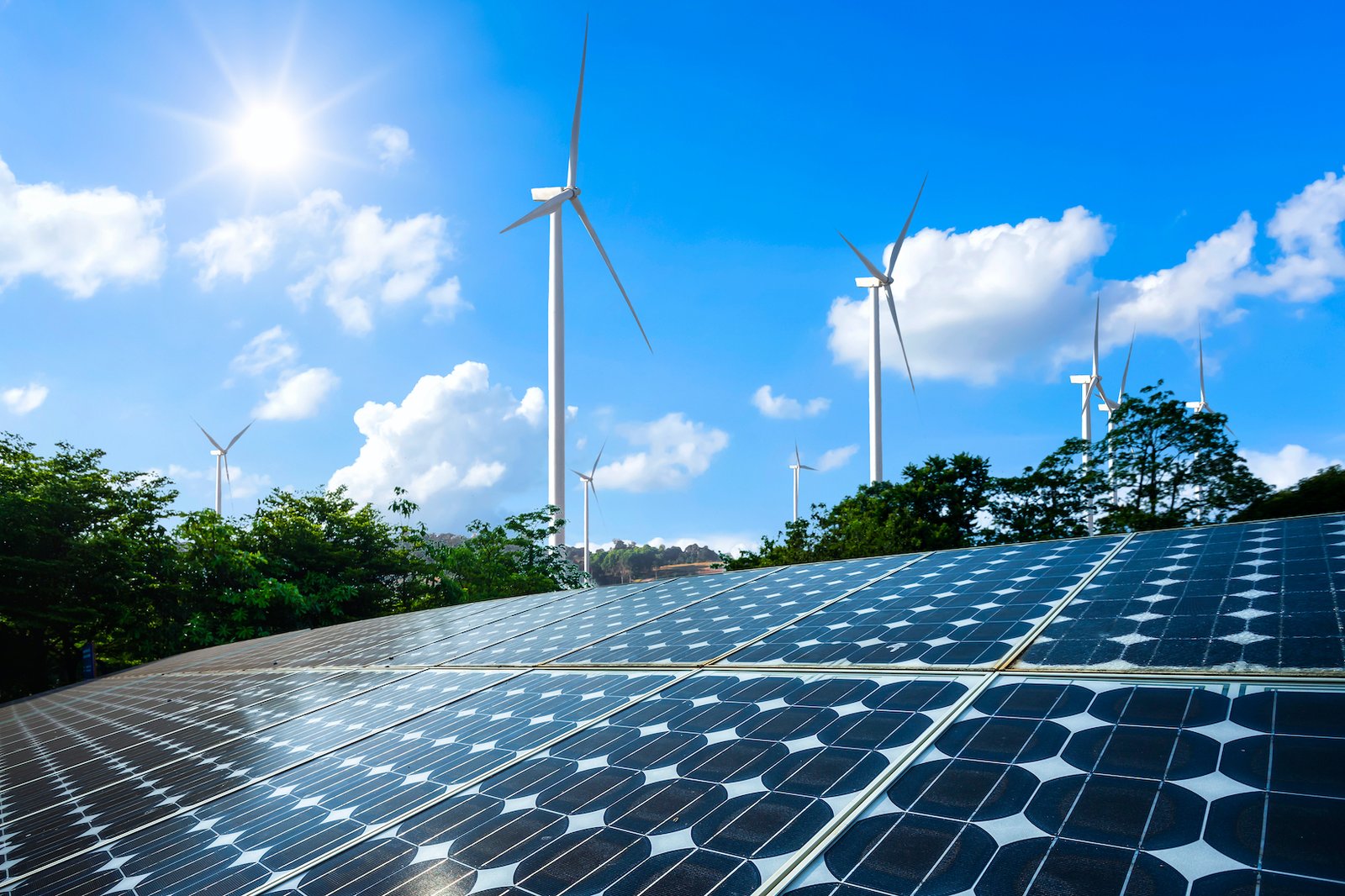
A stronger transmission network will also support Uganda’s clean energy transition by facilitating the integration of existing and future renewable generation, including hydropower and solar, and providing capacity for future regional power interconnections.
Energy and Mineral Development Minister Ruth Nankabirwa described the Amari project as a strategic pillar of Uganda’s long-term plan to modernise and future-proof the national grid, noting the importance of private capital in accelerating infrastructure delivery amid fiscal constraints.
Gridworks Chief Executive Officer Chris Flavin said the signing of the agreements marked a decisive milestone, adding that investment in strategic transmission infrastructure would underpin reliable power supply, industrial growth and long-term economic development.
UETCL Chief Executive Officer Eng. Richard Matsiko said the utility views the partnership as transformative and looks forward to measurable improvements in grid performance. Construction of the project is expected to take around two and a half years. As a pilot initiative, Amari has also contributed to the development of a regulatory framework designed to attract private investment into future grid expansion.
The project comes amid a broader shift across Africa toward private sector participation in electricity transmission, driven by rising demand, high public debt and financial pressure on state-owned utilities. According to the International Energy Agency, cumulative investments in power grids in sub-Saharan Africa reached US $54bn between 2015 and 2024, with governments accounting for the vast majority of spending during that period. Gridworks, backed by British International Investment, is also developing independent transmission projects in Mozambique, Ethiopia and eastern Uganda, alongside off-grid and distributed power investments across the region.