

Senegal’s national oil company, Petrosen, is set to launch a US $100M exploration drive focused on the country’s onshore oil and gas prospects. The initiative follows recent regulatory adjustments and the cancellation of licenses previously granted to companies that failed to carry out agreed seismic surveys or drilling programs.
In recent years, Senegal has risen as an emerging hydrocarbons producer, largely on the strength of its offshore developments. Production from the Greater Tortue Ahmeyim (GTA) gas project, led by BP, and the Sangomar oil field operated by Woodside Energy has marked a turning point for the country’s energy sector. BP exported its first cargo of liquefied natural gas from the GTA project in early 2025, while Woodside began pumping oil from Sangomar the year before, though both projects experienced delays before reaching output.
READ: Equatorial Guinea, Cameroon advance joint LNG project at Yoyo-Yolanda Gas Field
Production rate
Despite having proven oil reserves estimated at about 1.03 billion barrels, Senegal’s offshore production is expected to significantly increase overall output. The country also possesses substantial natural gas resources around 450 billion cubic feet supporting ambitions to expand into the LNG market while strengthening domestic energy supply.
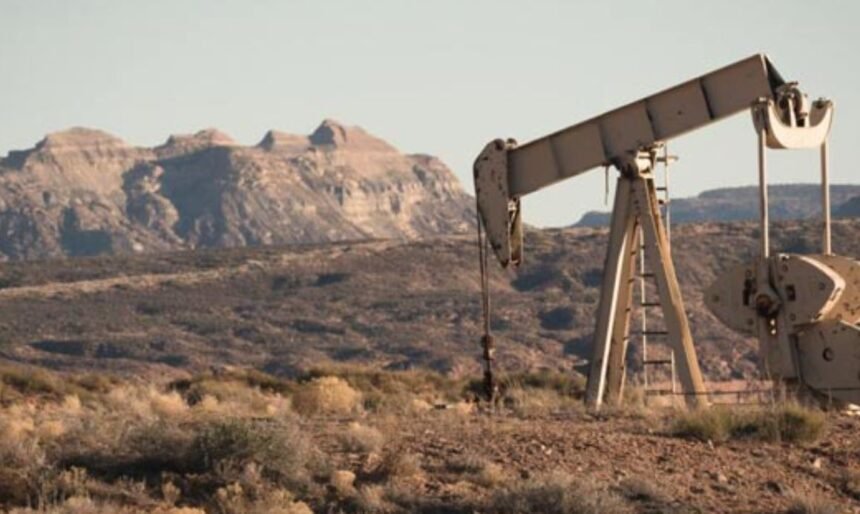
Encouraged by offshore success, Petrosen now intends to explore untapped onshore basins. Chief Executive Officer Alioune Gueye said the company is committing at least US $100M to jump-start exploration activities, arguing that geological similarities between offshore and inland areas suggest promising potential. Senegal has seen little to no onshore exploration activity in decades, making the new campaign a major step in broadening its upstream development strategy. Gueye expressed optimism that a meaningful discovery could be achieved before the end of the year.
The push for onshore exploration comes after BP withdrew from the Yakaar-Teranga gas project in 2023 following a disagreement with the government over whether gas should be exported or reserved for domestic use. While BP favored exports, Senegal prioritized supplying gas to support its gas-to-power program, designed to lower electricity costs and expand access. BP exited the project without compensation, and Kosmos Energy subsequently increased its ownership stake. BP continues to operate in Senegal through its involvement in the GTA project.
Across the continent, national oil companies in countries such as Nigeria, Angola, and Equatorial Guinea are strengthening their technical and operational capabilities to play a larger role in developing local resources. Petrosen’s planned investment reflects a similar strategy, as Senegal aims to expand its resource base, accelerate development, and reinforce the energy sector’s contribution to economic growth.