


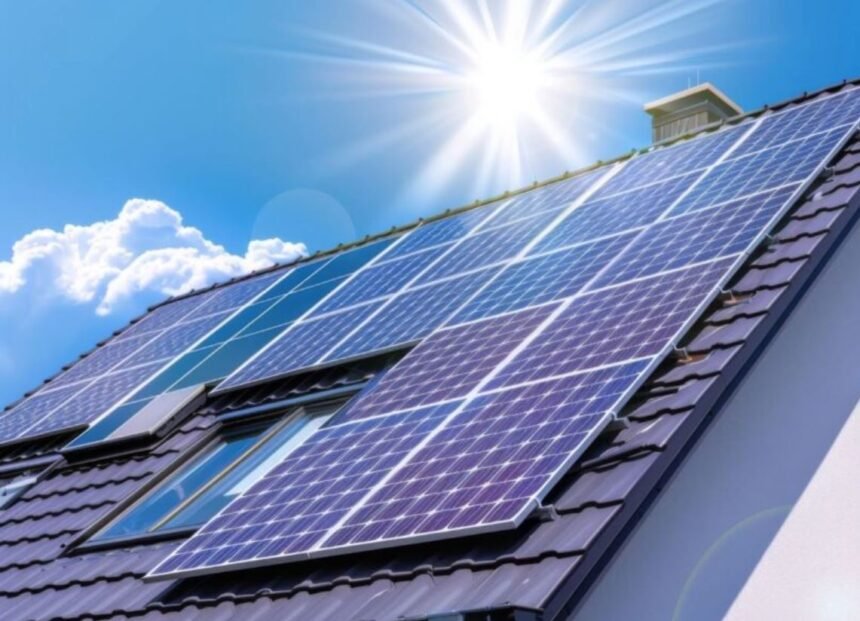
Nigeria has unveiled a US $750M renewable energy programme aimed at transforming electricity access across the country, particularly in rural and underserved communities.
The initiative will see the deployment of 1,350 solar mini-grids, offering decentralized power solutions in areas where connection to the national grid remains limited or unreliable. These systems are designed to generate and distribute electricity locally, making them especially effective for remote regions that are difficult to reach with large-scale transmission infrastructure.
A key feature of the programme is its hybrid approach. While most of the mini-grids will operate independently, about 250 will be connected to the national grid. This integration is expected to enhance overall grid stability by injecting additional renewable energy into areas that frequently experience weak or inconsistent supply.
READ: Tanzania invests US $274M to expand fuel storage at Dar es Salaam Port
Public-private partnership
Nigeria continues to face persistent electricity challenges, with many households and businesses relying heavily on petrol and diesel generators. These alternatives are not only costly but also contribute significantly to air and noise pollution. By expanding solar-based solutions, the government aims to provide a cleaner, more reliable, and more affordable source of power.
The programme is structured as a public-private partnership. Although the government has committed US $750M as initial funding, it anticipates attracting up to US $1.1bn in additional investment from private sector players and financial institutions. This blended financing model is expected to accelerate deployment while ensuring long-term sustainability through private sector participation in operations and maintenance.
The initiative builds on earlier efforts such as the Nigeria Electrification Project, reinforcing the country’s strategy to expand energy access through renewable technologies. It also aligns with broader national goals of reducing dependence on fossil fuels and transitioning toward a more sustainable energy mix.
If successfully implemented, the rollout of these solar mini-grids could significantly expand electricity access to millions of Nigerians, stimulate economic activity in rural areas, and improve overall living standards—marking a major step toward achieving universal energy access while advancing a greener energy future.