

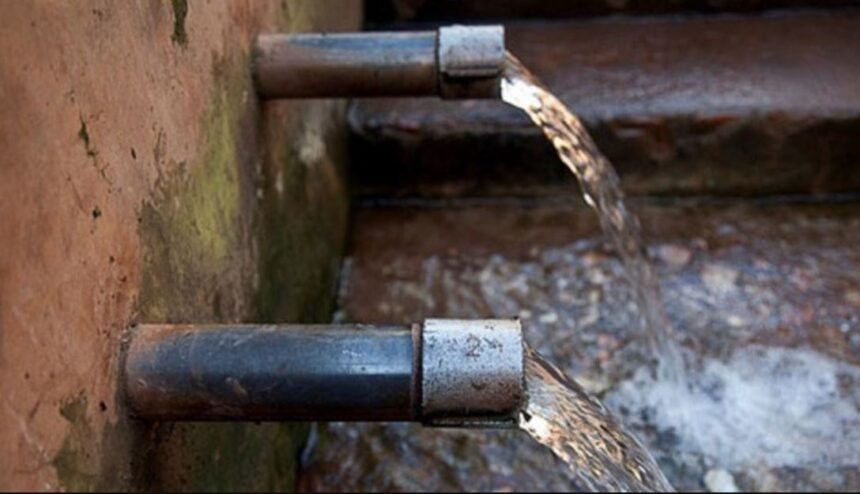
Ghana is set to receive approximately US $363M in grant funding and concessional financing to expand water supply infrastructure and improve sanitation services in the country’s northern regions, targeting persistent shortages in three cities and inadequate waste treatment facilities.
Finance Minister Cassiel Ato Forson announced the financing package following a meeting with European Investment Bank (EIB) Vice-President Ambroise Fayolle on the sidelines of the International Monetary Fund and World Bank Group Annual Meetings in Bangkok, Thailand. The proposed funding for the Northern Ghana Water and Sanitation Project comprises a US $76.5M grant from the European Commission, a US $33.75M grant from Invest International, an initiative of the Dutch government, and a US $253.1M highly concessional loan from the EIB.
Forson said the project would address longstanding water supply challenges in Tamale, Yendi and Damongo while improving sanitation infrastructure in several northern communities. The financing discussions form part of Ghana’s broader engagement with international development partners to mobilise resources for essential infrastructure while maintaining fiscal discipline.
READ: Morocco opens bids for 350 MW of solar projects
Boost in water supply
According to the EIB’s project summary, the bank’s financing will support improvements to water supply systems in Tamale, Damongo and neighbouring settlements. The project also includes the construction of three faecal sludge treatment plants in Wa, Bolgatanga and Yendi to strengthen waste management and reduce environmental and public health risks. The EIB estimates the overall project cost at approximately US $364.5M, slightly above the financing package announced by the Ghanaian finance minister.
Once implemented, the project is expected to improve access to safely managed drinking water for approximately 1.35 million people in the Greater Tamale area and another 105,000 residents in Damongo. The planned improvements will benefit urban and peri-urban communities, where growing populations and pressure on existing infrastructure have increased demand for reliable water services. The three faecal sludge treatment facilities are intended to improve sanitation management by providing infrastructure for the safe handling and treatment of waste. The investments are expected to reduce pollution risks and support healthier living conditions in the affected cities.
The project is also designed to strengthen climate resilience by relying on a sustainable and dependable water source in a region increasingly exposed to climate-related pressures. Improving the reliability of water infrastructure is particularly important in northern Ghana, where changing weather patterns can intensify water supply challenges.
The European Union will contribute grant financing through the EIB under Phases II and III of the Sustainable Cities Initiative. The operation is listed under the European Fund for Sustainable Development Plus (EFSD+) guarantee within the EU’s Global Europe financing instrument. The EIB says the project remains under appraisal, meaning the financing and implementation arrangements are still subject to further assessment. Procurement will also have to comply with the bank’s procurement guidelines before the project moves forward.