


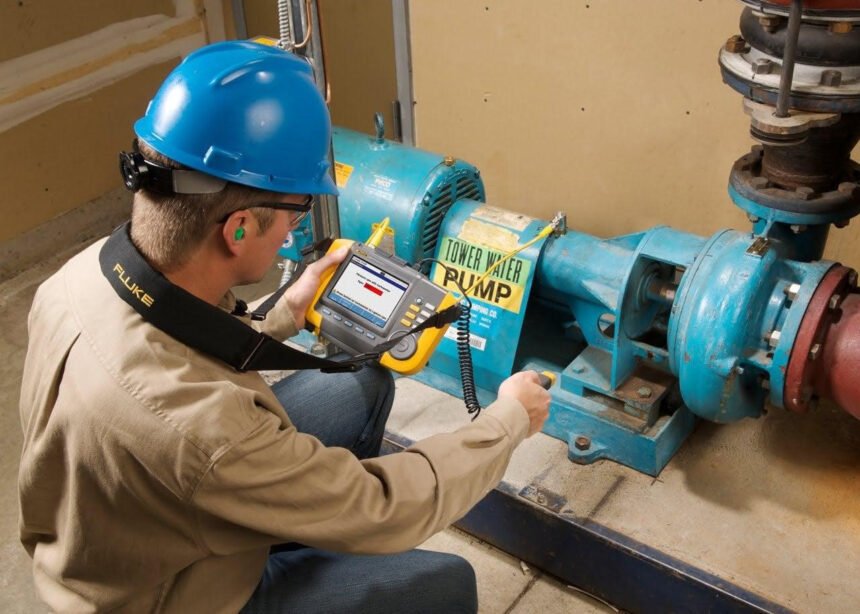
Intermittent pump problems can be difficult to diagnose because symptoms often disappear before technicians arrive. A pump may run normally during inspection, despite repeated reports of unusual noise, vibration or pressure changes.
Poor pump maintenance records make these problems harder to investigate. A note stating “pump noisy again” gives the next technician little useful information.
Did the noise begin when demand increased? Did it appear after the pump warmed up? Did another pump start at the same time?
Recording these details helps maintenance teams identify recurring patterns. It also improves fault diagnosis, maintenance planning and communication between shifts.
Record Pump Operating Conditions During Each Event
A useful pump maintenance record should identify the equipment and capture its operating context.
Start with the asset identification number, event date, time and operating mode. Record any changes that occurred before the reported symptom.
Where available, include:
- Flow rate and measurement units.
- Suction and discharge pressure.
- Pump speed and operating frequency.
- Bearing, motor or fluid temperature.
- Vibration readings and measurement locations.
- Recent operating, maintenance or system changes.
Include measurement timestamps and instrument details where possible. For vibration readings, specify the measurement point and direction.
A reading taken on the motor may not be directly comparable with one taken elsewhere on the pump. Consistent measurement locations improve comparisons between maintenance events.
If a measurement is unavailable, record it as “not recorded”. Do not estimate missing values or present assumptions as verified readings.
Separate Reported Symptoms From Confirmed Faults
Consider this example.
At 10:15, an operator reports intermittent rattling as a transfer pump moves to higher-flow duty.
At 10:19, a technician hears the noise and records the following observations:
- Flow is above the earlier steady operating reading.
- Suction pressure is lower than the earlier reading.
- The speed indication remains unchanged.
- Only one vibration reading is available at the documented measurement point.
The record establishes a relationship between the reported noise and changing operating conditions. However, it does not establish the underlying cause.
Cavitation or a restriction may warrant investigation. Other hydraulic or mechanical issues may also explain the symptom.
A qualified technician should compare the readings with the pump’s operating requirements and site diagnostic procedures. Further measurements may be necessary before confirming a fault.
This distinction is important when documenting intermittent pump problems.
Distinguish Observations From Diagnostic Conclusions
Maintenance teams should separate three types of information in their service records.
1. Reported symptoms
Document what the operator noticed, when it occurred and under which operating conditions.
2. Technician observations
Record what the technician independently verified. Include measurements, inspection findings and the conditions during testing.
3. Confirmed causes
Document the final diagnosis only after supporting evidence validates the finding.
Changes in pressure, flow, temperature, vibration and noise can indicate developing problems. Their diagnostic value depends on operating conditions and measurement consistency.
For example, a warmer bearing after an extended operating period requires comparison with readings taken under similar conditions.
This approach prevents assumptions from becoming permanent maintenance records.
Improve Maintenance Handover Between Shifts
A maintenance record should help the next technician continue an investigation without repeating unnecessary work.
Link each entry to its work order and previous maintenance events. Identify outstanding checks, responsible personnel and expected handover times.
Consistent records also help maintenance supervisors identify recurring equipment problems.
Over time, this information can support preventive maintenance reviews and condition-monitoring programmes.
Where measurements follow consistent procedures, maintenance teams can compare historical readings and identify developing trends.
These records do not replace equipment inspections or condition-monitoring systems. They provide the historical context needed to interpret their findings.
Pump Maintenance Service Record Template
The following template provides a practical starting point for workshop supervisors, operators and maintenance technicians.
| Record field | Information required |
|---|---|
| Equipment identification | Asset ID, pump type and work order |
| Event details | Date, time, observer and operating mode |
| Reported symptom | Description, source and first occurrence |
| Technician observations | Verified symptom, location and inspection time |
| Operating conditions | Flow, suction pressure, discharge pressure and speed |
| Condition measurements | Temperature, vibration, units and measurement points |
| Instrument details | Instrument identification and measurement timestamps |
| Recent changes | Operating adjustments and maintenance activities |
| Previous incidents | References to comparable service records |
| Missing information | Unavailable or unverified measurements |
| Working hypothesis | Possible causes requiring further investigation |
| Confirmed diagnosis | Verified cause and supporting evidence |
| Next action | Outstanding checks, responsible technician and handover time |
Better Records Support Better Pump Maintenance
Intermittent pump problems require more than repeated inspections. They require consistent documentation of operating conditions, observations and maintenance actions.
A well-maintained service history helps technicians compare events and investigate recurring symptoms. It also gives supervisors better information for maintenance planning.
For pump operators and maintenance teams, improving service records is a simple but valuable step towards more reliable equipment management.
What information does your maintenance team record when dealing with recurring pump problems? Share your experience with Pumps Africa – Email: editor@pumps-africa.com.
Frequently Asked Questions
1. Why are intermittent pump problems difficult to diagnose?
Intermittent faults may disappear before inspection. Without historical operating data, technicians may struggle to reproduce symptoms or identify recurring patterns.
2. What should a pump maintenance record include?
It should include asset identification, operating conditions, reported symptoms, technician observations, measurements, maintenance history and outstanding actions.
3. How do maintenance records support predictive maintenance?
Consistent historical measurements help teams identify changes in equipment condition. These trends can support decisions about inspections and further investigation.
4. Should technicians record suspected causes?
Yes, but suspected causes should remain working hypotheses. Confirmed diagnoses require supporting inspection findings or measurements.