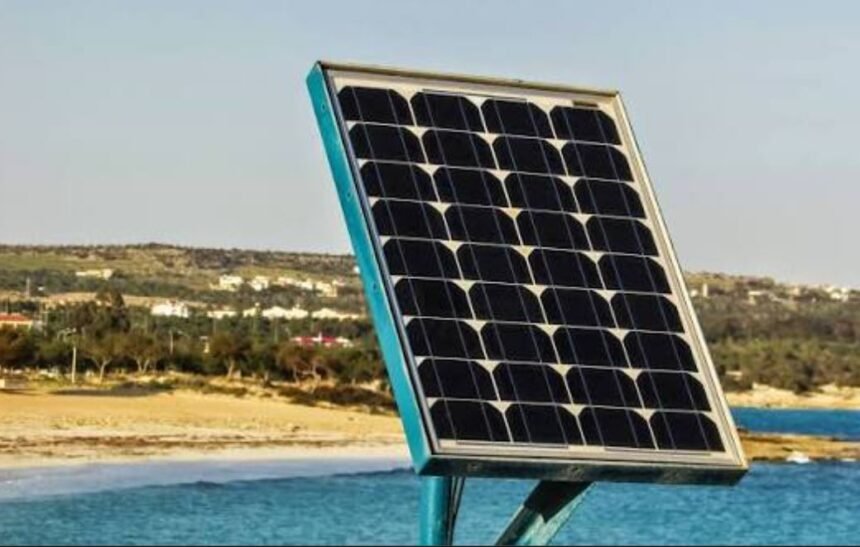
Egypt has expanded its water cooperation programme in South Sudan with the completion of 28 solar-powered groundwater stations that are now providing safe drinking water to more than 84,000 people across the country.
The latest milestone was announced by Egypt’s Ministry of Water Resources and Irrigation, which said the facilities are helping improve water access in remote and underserved communities while strengthening bilateral cooperation between the two Nile Basin nations. Head of the Central Administration for International Cooperation and Agreements at the ministry, Dr. Nader El-Masry, said each groundwater station serves more than 3,000 people, supporting South Sudan’s efforts to improve access to clean water in line with the United Nations Sustainable Development Goal 6 on water and sanitation.
READ: Eni awards contract for Baleine Phase 3 Offshore project
Development initiatives
The announcement comes alongside the inauguration of the SOMBA solar-powered groundwater station in Luri Payam near the University of Juba. The project was officially commissioned by South Sudan’s Minister of Water Resources and Irrigation, James Mawich Makuach, together with Egypt’s Ambassador to South Sudan, Hazem Mamdouh, and representatives from Egypt’s Ministry of Water Resources and Irrigation.
Egyptian Minister of Water Resources and Irrigation Hani Sewilam said the new facility reflects the longstanding partnership between Egypt and South Sudan and demonstrates Cairo’s continued commitment to supporting development initiatives across the Nile Basin. According to Sewilam, the groundwater station will provide clean and reliable drinking water to students and staff at the University of Juba as well as surrounding communities, improving public health, environmental conditions and access to essential services.
The water stations form part of a broader cooperation framework established under a bilateral technical agreement signed in 2014, through which Egypt has implemented a range of projects aimed at strengthening South Sudan’s water infrastructure and management capacity. In addition to expanding access to drinking water, Egypt has continued rehabilitation work along the Bahr el Ghazal waterway. The first phase of the project, involving the clearance of aquatic weeds and floating vegetation along a 30-kilometre section of the river, has been completed. The initiative is intended to improve water flow, restore river navigation, reduce flood risks and support local fishing and transport activities.
El-Masry said the rehabilitation programme has delivered significant environmental and social benefits, improving living conditions for nearby communities while enhancing flood control measures in the region. Egypt has also completed two rainwater harvesting dams in Warrap State at Tonj and Gogrial. Each structure has a storage capacity of 30,000 cubic metres and is designed to capture seasonal rainfall for household use, livestock and drought resilience during the dry season.
Other cooperation projects include the installation of hydrological monitoring stations at Nimule, Bor and Mongalla to measure river levels and water flows along the Bahr el-Jebel. The programme also incorporates flood forecasting systems, water quality laboratories, early warning capabilities and technical training for South Sudanese water specialists.
Additional infrastructure delivered under the partnership includes river transport piers in Wau and Kuajok, while earlier phases of the programme saw groundwater facilities constructed around Juba, Lobonok and Jonglei to improve access to potable water. Looking ahead, Egypt and South Sudan are continuing discussions on larger-scale water infrastructure, including the proposed multipurpose Wau Dam on the Siwi River. The project remains at the feasibility stage and is expected to provide hydropower generation, expand drinking water supply and support irrigation once implemented. Egypt says the growing portfolio of water projects underscores its commitment to promoting sustainable development, improving water security and strengthening long-term cooperation with South Sudan through practical infrastructure investments and technical support.