Kenya is targeting January 2027 to begin filling the Thwake Dam reservoir, following the resumption of construction in August after additional financing helped address a funding shortfall that had delayed progress.
The project, located between Makueni and Kitui counties, is expected to strengthen water security, support agricultural production and provide hydropower to parts of the country’s water-scarce Lower Eastern region. The African Development Bank (AfDB) and Kenyan government officials reviewed progress on the first phase of the Thwake Multipurpose Water Development Program during a five-day mission. The assessment examined construction progress, financing requirements, contractor mobilisation and outstanding environmental and social concerns.
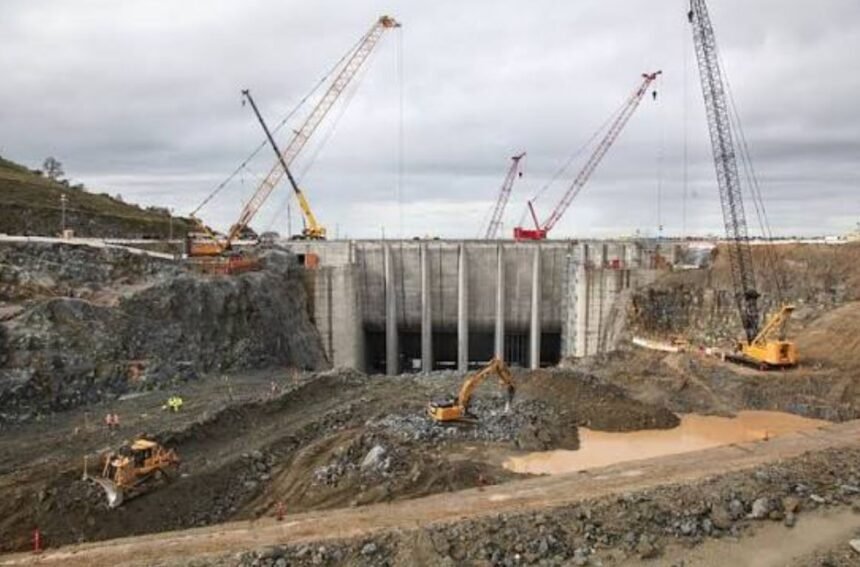
The 80.5-metre-high dam is being constructed at the confluence of the Athi and Thwake rivers, approximately 180 kilometres southeast of Nairobi. With a planned storage capacity of 688 million cubic metres, it is designed to become one of Kenya’s major water reservoirs. Construction was reported to be 94.2% complete in October 2026, with remaining works including the concrete face slab and a bridge connecting the two counties.
READ: Ghana secures US $363M package for Northern Water and Sanitation Project
Financing boost
The project received a financing boost through an additional AfDB loan of US $74M, approved in May 2026. The Kenyan government also committed counterpart funding of US $16.2M. The additional financing is intended to address the funding gap that had constrained construction and support the completion of the dam’s first phase.
Samuel Alima, Water Secretary at the State Department for Water and Sanitation, said the contractor had returned to the site in August and that the government was working towards starting water impoundment by the end of January 2027. Commissioning is targeted for April 2027, subject to the completion of outstanding works.
The AfDB mission, led by project task manager Nancy Ogal, brought together representatives from the National Treasury, the Ministry of Water, Sanitation and Irrigation and the project implementation team. Discussions focused on meeting the conditions for the first disbursement of the additional financing, resolving outstanding health and safety issues, addressing complaints from affected residents and ensuring the contractor was fully mobilised.
The mission also called for faster processing of contractor payment certificates and closer coordination between the ministry, contractor and supervising consultant. Officials highlighted the importance of sedimentation control measures to protect the reservoir’s storage capacity and extend its operational life.
Beyond the dam itself, the wider programme includes water supply and sanitation infrastructure, a hydropower facility and irrigation development. The downstream investments are expected to provide up to 150,000 cubic metres of treated water daily to approximately 1.3 million people in Makueni and Kitui counties, as well as Konza Technopolis in neighbouring Machakos County.
The programme also envisages a 20-megawatt hydropower plant and irrigation infrastructure capable of supporting up to 40,000 hectares of farmland. These investments are expected to improve access to reliable water, strengthen food production and reduce farmers’ dependence on increasingly unpredictable rainfall in the semi-arid region.
Alima said the government had submitted a concept note to the National Treasury seeking funding for the downstream components, which are essential to translating the dam’s completion into wider economic benefits. The mission also visited the Mukameni Borehole Water Project in Kitui County and met residents whose homes had been affected by blasting during construction. AfDB officials emphasised the need for timely compensation and stronger monitoring of the programme’s environmental and social impacts.
The first phase has an estimated cost of US $327M. While the completion of the dam wall represents a major milestone, the delivery of its full benefits will depend on securing financing and implementing the downstream water, sanitation, irrigation and energy infrastructure.