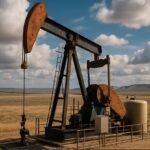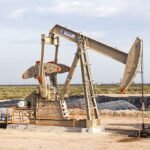


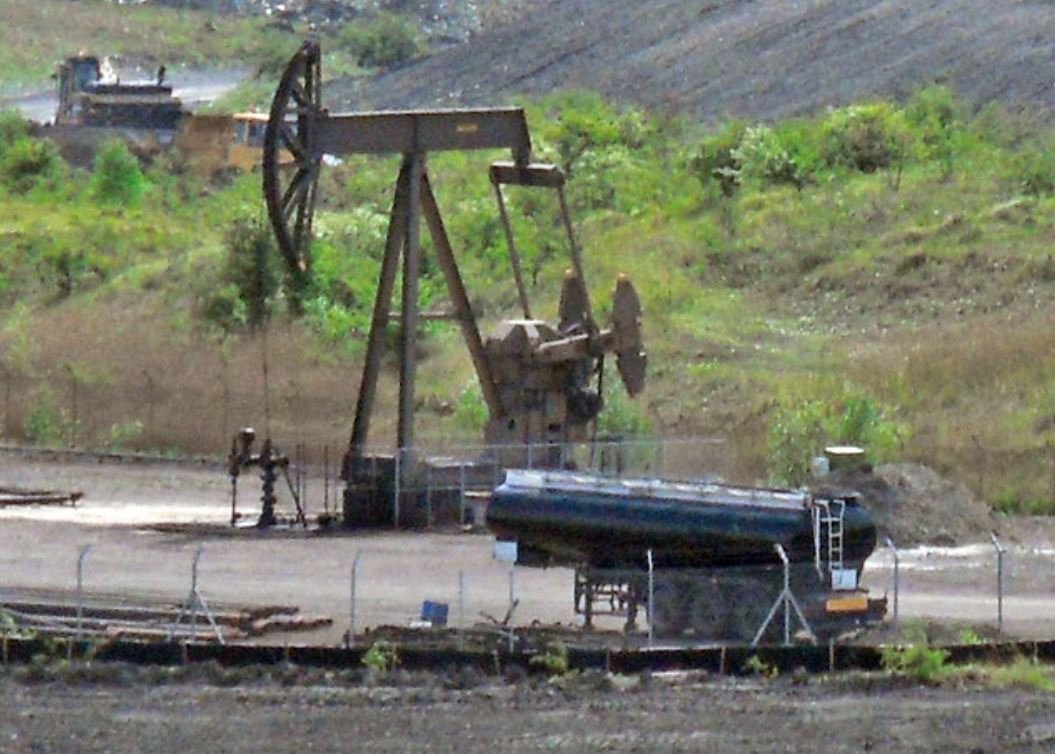
The Agbada-67 Gas Well in Rivers State Nigeria has been revived. The NNPC/Heirs Energies Joint Venture brought the well back onstream using a sophisticated rigless through-tubing operation an approach that was previously deemed uneconomical due to the well’s high water output.
The restoration marks one of the most complex engineering feats undertaken at OML 17 and reshaping how the country extracts value from ageing assets. Over 52 days, engineers deployed targeted chemical treatments and installed a 60-foot ceramic sleeve inside three-inch tubing at about 10,000 feet, isolating water-producing zones without shutting down the well. This intricate brownfield intervention now delivers roughly 45 million standard cubic feet of gas per day for domestic use.
READ: Equatorial Guinea rolls out new decree to boost oil, gas sector
Energy output
Its impact on power supply has been immediate: Transcorp’s TransAfam plant jumped from around 50 MW to over 180 MW, with peaks near 200 MW, while overall generation across Eastern Nigeria rose from about 100 MW to around 325 MW, reaching highs of 455 MW.
Plants operated by First Independent Power Limited and Geometric Power have also reported more consistent output. Financially, the project cost only 15% of drilling a new well and saved 65% compared to a full workover significant in a sector constrained by limited capital despite Nigeria’s 208 Tcf of proven gas.
Energy analysts note that Nigeria still routinely produces less than 4,500 MW for over 220 million people, far behind South Africa’s 52,000 MW and Egypt’s more than 60,000 MW, making low-cost well-restoration techniques an attractive option.
The success at Agbada-67 also holds continental relevance as many African producers grapple with declining brownfields or long development cycles for new finds; a replicable method for reviving marginal wells could extend field life and support industrial growth across the region.
The outcome reinforces Nigeria’s push to use gas as a bridge fuel for economic expansion and cleaner energy, offering a practical model that NNPC and the Nigerian Upstream Investment Services see as a template for similar wells following the earlier restoration of Agbada-68. For communities in the eastern corridor, the benefits are already visible: improved gas supply reduces deep load-shedding, helping small industries manage electricity costs and maintain jobs.
Overall, the Agbada-67 intervention strengthens domestic gas availability, demonstrates advanced engineering capability, and adds meaningful momentum to Nigeria’s broader effort to stabilise power and build a more resilient energy system.