

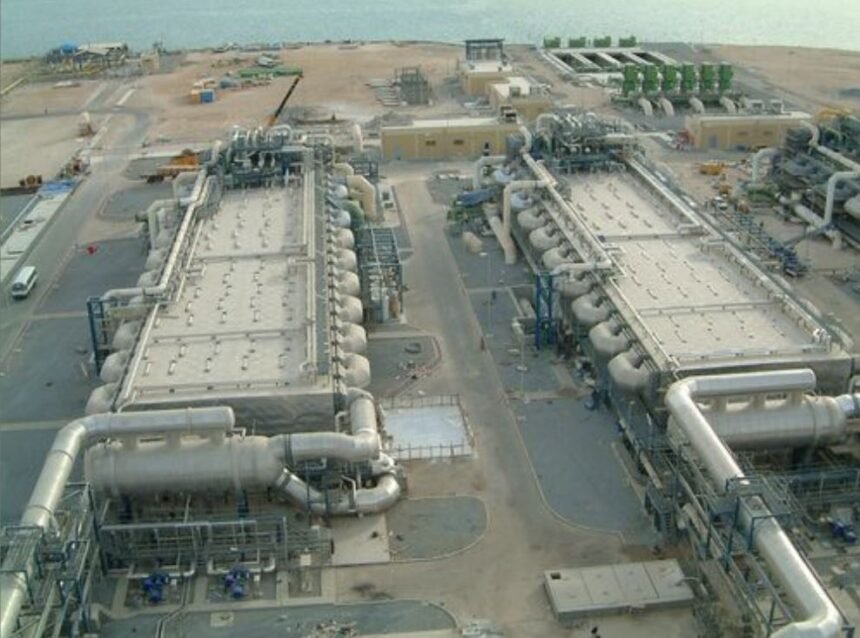
Libya and Algeria are moving to deepen cooperation in the water sector after agreeing to prepare a memorandum of understanding (MoU) focused on tackling water scarcity through desalination, irrigation development and sustainable water resource management.
The decision was reached during a technical meeting held in Algeria between officials from Algeria’s Ministry of Irrigation and Libya’s Ministry of Water Resources. The Libyan delegation was headed by Mokhtar Al-Fitouri Radi Salam, Director of the International Cooperation Office at the ministry, as both sides explored opportunities to strengthen collaboration on strategic water projects.
The proposed MoU will provide a formal framework for cooperation in six priority areas, including seawater desalination, agricultural irrigation, integrated water resources management, institutional and technical collaboration, professional training and knowledge sharing. The initiative is expected to facilitate the transfer of expertise and support the development of more resilient water infrastructure in both countries.
READ: Omantel, Algeria’s SEAAL partner on smart water metering pilot
Water strategy
Libya’s Minister of Water Resources in the Government of National Unity, Mohammed Hasni Owaidan, said the country is looking to draw on Algeria’s experience in desalination and water management as it works to address mounting water challenges. Algeria has invested heavily in expanding its desalination network in recent years, making it one of the region’s leading countries in the sector.
As part of the discussions, Algerian officials outlined the country’s water strategy, showcasing completed projects and long-term planning aimed at improving water security. The presentation covered major programmes in desalination, drinking water supply, wastewater treatment and irrigation, highlighting measures designed to maximise the efficient use of increasingly scarce water resources.
Radi Salam praised the close cooperation between the neighbouring countries and acknowledged Algeria’s progress in desalination technology and the reuse of treated wastewater for agricultural and industrial purposes, noting that these experiences could provide valuable lessons for Libya. The planned agreement also complements wider regional efforts to strengthen cooperation over shared water resources. In April 2026, Libya, Algeria and Tunisia reaffirmed their commitment under the Tripoli Declaration to jointly manage the transboundary aquifer system linking the three countries, promoting coordinated, equitable and sustainable use of one of North Africa’s largest shared groundwater reserves.