Morocco is planning a US $1Bn investment in oil and natural gas exploration over the next five years, with private investors expected to finance the bulk of the programme as the country seeks to unlock domestic hydrocarbon resources and reduce its exposure to imported energy.
The investment plan, valued at MAD 9.21 billion, was outlined in a report by the Ministry of Economy and Finance covering the performance of state-owned enterprises. The document accompanies Morocco’s draft 2027 budget, which is undergoing parliamentary review. The National Office of Hydrocarbons and Mines (ONHYM) will coordinate exploration activities with local and international energy companies. Private-sector participants are expected to contribute approximately 91% of the total funding, leaving the state to finance the remaining share.
The programme comes as Morocco continues to search for commercially recoverable oil and gas deposits to meet rising domestic demand. Although the country has attracted foreign exploration companies over the years, its hydrocarbon production remains insufficient to meet national consumption requirements.
READ: Algeria opens seven oil and gas blocks to international investors in 2026 Bid Round
Progress
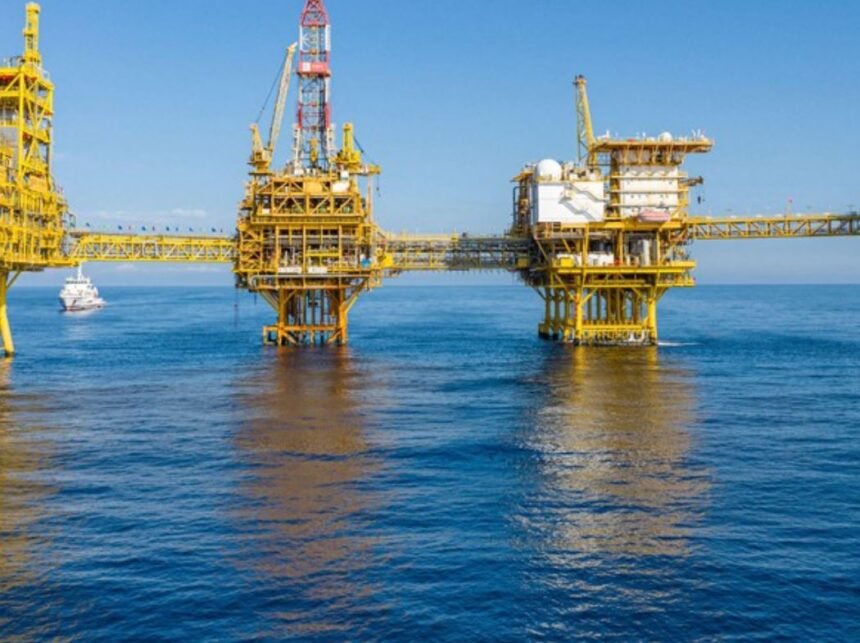
By the end of 2025, 11 companies were exploring for oil and gas across an estimated 107,000 square kilometres of territory. Their operations covered 10 onshore and 30 offshore exploration licences, according to the ministry’s report. Natural gas is a particular focus of the country’s energy development strategy. Morocco consumes approximately 1 billion cubic metres of gas annually, with demand concentrated in electricity generation, steel production and the phosphate-processing industry.
Pipeline gas volumes increased by 7.9% in 2025 to approximately 890.1 million cubic metres, reflecting the importance of securing reliable supplies for industrial and power-sector users. Expanding domestic exploration could help diversify the country’s gas sources, although the commercial potential of individual discoveries will depend on further exploration and development.
One project attracting attention is the Tendrara gas field in eastern Morocco, operated by Moroccan mining group Managem. The development is among the country’s more advanced gas prospects and could contribute to future domestic supply as it progresses towards commercial operations. Morocco is also seeking to expand its role in Africa’s gas trade through the proposed Nigeria-Morocco Atlantic African Gas Pipeline. The planned 6,800-kilometre network is designed to transport as much as 30 billion cubic metres of natural gas annually, linking Nigerian resources with markets along the West African coast and potentially Europe.
The estimated US $25Bn project advanced in July 2025 when participating countries signed an intergovernmental agreement. Its proposed route would connect with the existing Maghreb-Europe Gas Pipeline, creating a potential pathway for gas deliveries to Morocco and European markets. Initial supplies are targeted for 2031.
The domestic exploration programme and the proposed pipeline represent two complementary elements of Morocco’s energy strategy. While exploration aims to establish whether additional commercially viable reserves can be developed within the country, regional infrastructure could broaden access to gas supplies and create opportunities for energy transit. The success of both initiatives will depend on investment commitments, project execution and the availability of commercially competitive gas. For Morocco, the longer-term objective is to improve energy security while strengthening its position in the evolving African and European energy markets.