Nigeria is seeking international investment to accelerate the development of the proposed Nigeria-Morocco Gas Pipeline, a major cross-border infrastructure project expected to connect West African gas reserves with markets across North Africa and Europe.
The Nigerian National Petroleum Company (NNPC) is engaging potential financiers and energy companies to secure the capital required to implement the estimated $25 billion–$26 billion project. NNPC Group Chief Executive Officer Bashir Bayo Ojulari disclosed the initiative during the ADIPEC energy conference in Abu Dhabi, highlighting discussions with prospective partners, including Abu Dhabi National Oil Company (ADNOC).
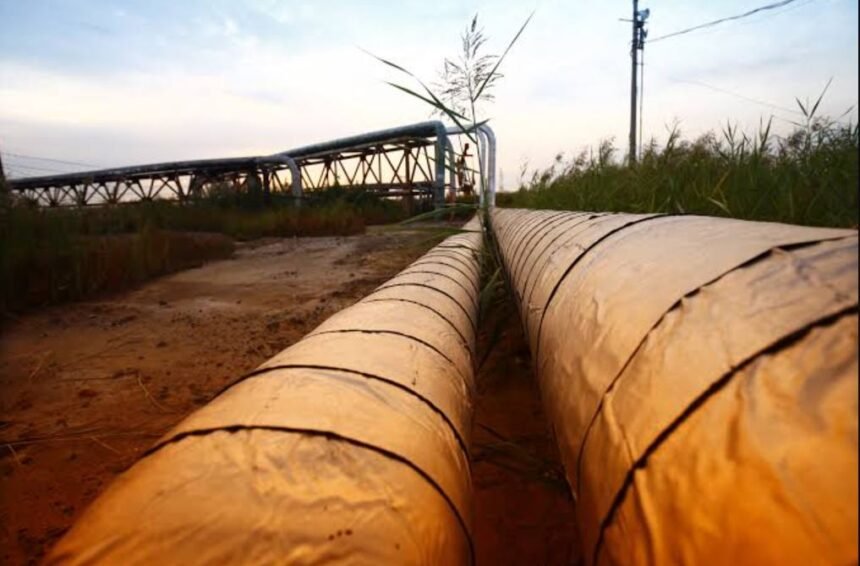
Known as the African Atlantic Gas Pipeline (AAGP), the project is being developed through cooperation between NNPC and Morocco’s National Office of Hydrocarbons and Mines (ONHYM). The proposed network will extend approximately 6,800 kilometres along Africa’s Atlantic coastline, linking Nigeria with Morocco through several West African countries.
The pipeline is designed to transport up to 30 billion cubic metres of natural gas annually. Its route will cover 13 coastal countries, while additional connections are planned to serve landlocked markets, including Niger, Mali and Burkina Faso.
READ: Dangote launches Namibia fuel storage project
Strengthening energy cooperation
The infrastructure is intended to provide participating countries with greater access to natural gas for electricity generation, industrial operations and other domestic uses. It will also establish an additional export corridor connecting African gas producers to European markets through Morocco’s existing pipeline infrastructure to Spain.
The project is expected to be developed in stages, with NNPC considering the use of existing gas transportation infrastructure to reduce construction requirements and implementation costs. One of the initial priorities is extending the West African Gas Pipeline network towards Sierra Leone before expanding connections across the wider region.
The existing West African Gas Pipeline currently transports Nigerian natural gas to Benin, Togo and Ghana, providing a foundation for the proposed expansion. Progress has also been made on the project’s institutional arrangements, engineering preparations and environmental assessments. The participating countries are working towards establishing a dedicated project company in Casablanca, Morocco, alongside a governing authority based in Abuja, Nigeria.
Once completed, the pipeline could strengthen energy cooperation among African countries, improve regional gas supply networks and create new commercial opportunities for producers, infrastructure developers and investors. For Nigeria, the project offers an opportunity to expand its natural gas export capacity and diversify energy trade beyond existing markets. Morocco, meanwhile, could strengthen its position as an energy transit hub linking African suppliers with European consumers.