

The African Development Fund has approved a US $23.36M grant package to expand access to clean, reliable electricity in Bosaso, a key commercial city in north-eastern Somalia. The funding aims to address chronic power shortages, reduce electricity costs, and strengthen Somalia’s energy sector institutions.
The project, titled Rehabilitation and Expansion of the Bosaso Power Grid and Strengthening of Energy Sector Institutions, is financed through two windows of the African Development Bank Group: US $9.62M from the African Development Fund and US $13.74M from the Transition Support Facility.
READ: Botswana, KP Group, ink US $4bn MoU to develop 5GW renewable energy capacity
Energy rate in Somalia
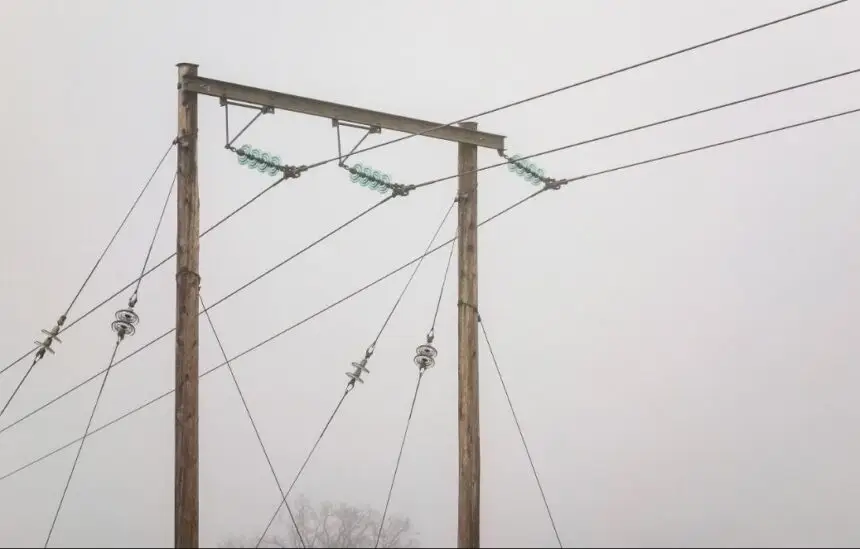
Under the initiative, new solar power generation capacity will be introduced, the electricity distribution network expanded, and modern metering systems installed to help households and businesses better manage energy consumption. Solar home systems will also be rolled out to families that have never had access to electricity, including internally displaced people living in vulnerable conditions.
Somalia has one of the lowest electricity access rates globally, with nearly half of its population lacking power. Where electricity is available, consumers face some of the highest tariffs in Africa due to heavy reliance on diesel generators, which are costly and environmentally harmful. Unreliable power supply has also constrained business growth and weakened the capacity of public institutions to regulate the sector.
Welcoming the approval, Bubacarr Sankareh, the Bank Group’s Lead Operations Advisor for Somalia, said the project would deliver transformative benefits. “This project will change lives in Bosaso for families and small businesses. It will make electricity cheaper, cleaner and more reliable and is a major step toward a stronger and more resilient energy future for Somalia,” he said.
Beyond improving household access, the project is expected to stimulate economic activity by enabling businesses to operate more reliably. It will also create jobs during construction and provide long-term employment in system operation and maintenance. Capacity building and technical training for public institutions will further support effective energy planning and regulation. Environmentally, replacing diesel generators with solar power and battery storage is expected to significantly cut carbon emissions, supporting Somalia’s long-term climate and sustainability goals.