

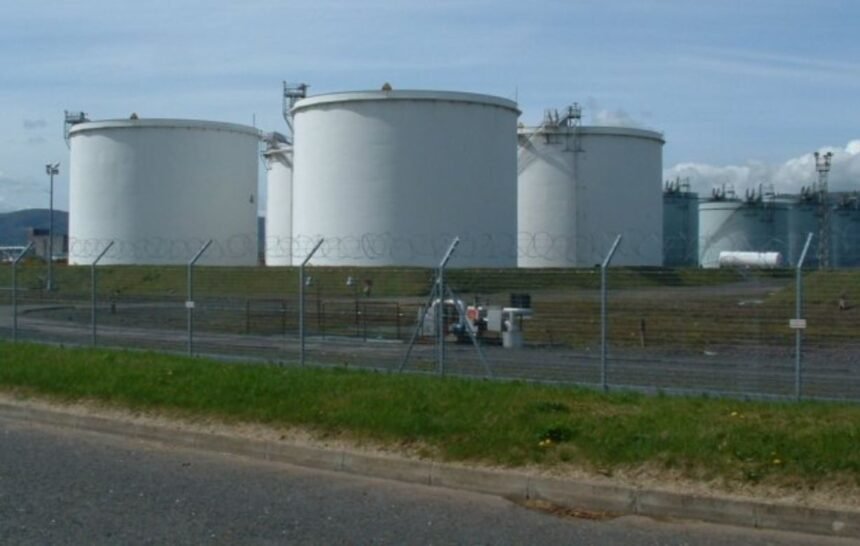
Egypt is moving ahead with plans to establish its first strategic crude oil reserve, targeting the accumulation of approximately 16 million barrels of crude by the end of 2026 in a move aimed at strengthening energy security and protecting the country against potential supply disruptions.
The reserve will consist of about 10 million barrels sourced from Libya and an additional 6 million barrels from Iraq. The stockpile, valued at roughly US $1.36Bn based on an agreed crude price of around US $85 per barrel, will be separate from Egypt’s regular monthly crude oil imports and is intended solely for strategic storage purposes.
An Egyptian government official said the country started receiving crude designated for the reserve in August. So far, around 3 million barrels have arrived from Libya, while the remaining volumes are expected to be delivered over the coming months as Egypt works to complete the stockpile before the end of next year.
READ: Egypt, AUC launch African water and climate training programme
Curbing production outages
The initiative represents a significant step for Egypt, which has traditionally relied on regular crude imports to meet refinery demand. With average monthly crude supplies estimated at around 7 million barrels, the planned reserve would provide coverage equivalent to more than two months of normal imports, offering an important safeguard against disruptions in global supply chains, shipping routes or geopolitical tensions affecting oil markets.
Officials say the strategic reserve will help ensure a stable flow of crude to domestic refineries in the event of delays in shipments or unexpected market shocks. It is also expected to support Egypt’s broader efforts to diversify crude supply sources while improving the resilience of its energy sector.
The North African nation has been pursuing a strategy aimed at increasing refinery utilization rates and boosting domestic production of refined petroleum products. These measures form part of a wider government effort to curb fuel import costs, strengthen energy self-sufficiency and secure supplies for the local market.
According to data from the Organization of Arab Petroleum Exporting Countries (OAPEC), cited by Reuters, Egypt’s refining capacity stood at approximately 829,000 barrels per day at the end of 2025, making it one of the largest refining hubs in the region.
The reserve-building programme comes at a time when global oil markets continue to face periodic disruptions linked to production outages, refining constraints and shipping challenges. In response, Egypt has intensified efforts to expand strategic energy inventories, increase exploration activity and encourage higher domestic crude output to reduce its dependence on imported fuels over the long term.