

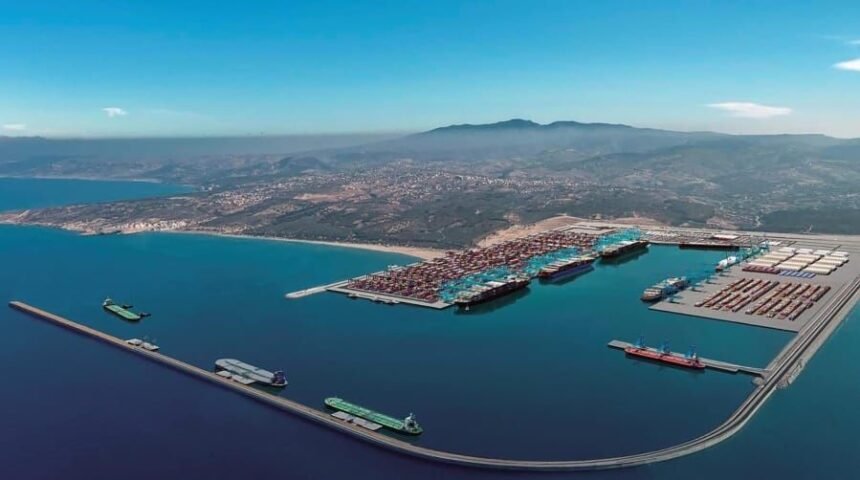
Morocco has officially greenlit the $1 billion Nador West Med LNG Hub, a major energy facility on its Mediterranean coast. The hub will handle liquefied natural gas (LNG) imports, storage, and regasification, positioning Morocco as a regional energy distribution center for North and West Africa.
The project forms part of the larger Nador West Med port complex, bridging shipping lanes between Africa and Europe. Government and private partners say the facility is critical to diversifying gas supply and strengthening regional energy security.
Industrial Implications for Pumps and Fluid Handling
LNG hubs rely heavily on specialized pumps, valves, and flow systems. The Nador West Med LNG Hub will feature:
- Cryogenic transfer pumps for LNG offloading
- High-pressure booster pumps for regasification
- Seawater intake and safety pumps
- Industrial-scale storage tank pumps
The facility’s operational needs are expected to generate contracts for pump suppliers, service providers, and maintenance companies, creating opportunities for African and international industrial equipment companies.
Supporting Regional Energy Security
Morocco’s Nador hub will supply domestic gas markets and neighboring countries, reducing reliance on single-source imports. Analysts note that this infrastructure-focused approach could stabilize gas supply for power generation and industrial operations across the region.
“The hub is not just an import terminal—it’s a platform for regional energy resilience,” said a local energy analyst.
Jobs and Industrial Growth
Construction and operational phases are expected to create thousands of jobs in logistics, engineering, and industrial maintenance. The LNG hub is also anticipated to boost related sectors, including industrial pumps, flow-control systems, and energy infrastructure services.
Looking Ahead
The Nador West Med LNG Hub underscores Morocco’s strategy of building modern energy infrastructure, rather than relying solely on domestic production. It signals a growing market for African fluid-handling and pump solutions, particularly in LNG and energy-intensive industries.
Construction is underway, with phased operations planned over the next few years. Industry stakeholders see this project as a model for future African LNG and industrial infrastructure developments.