

Rwanda has achieved a major milestone in the development of the 43.5MW Nyabarongo II Hydropower Project, with construction now 75% complete as the country moves to strengthen electricity generation and improve energy security.
Developed by the Energy Development Corporation Limited (EDCL), a subsidiary of the Rwanda Energy Group (REG), the US $230M project will surpass the 28MW Nyabarongo I plant, making it the country’s biggest hydropower installation by capacity.
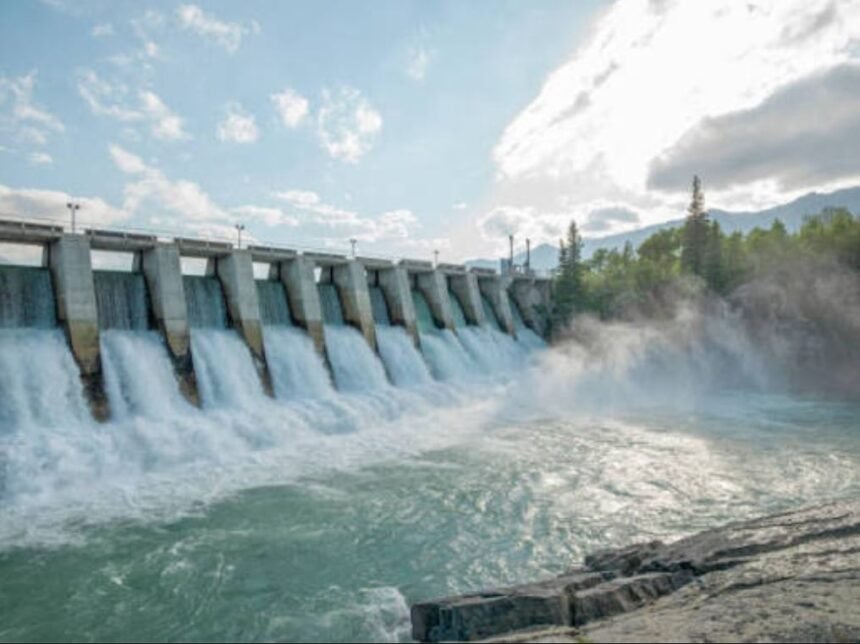
According to EDCL Director of Generation and Transmission, Theoneste Higaniro, Nyabarongo II is a flagship infrastructure project due to both its scale and its multi-purpose design. Unlike the run-of-river Nyabarongo I facility, the new project includes a large dam and reservoir capable of storing and regulating water, helping to maintain electricity generation during periods of reduced rainfall.
READ: Etu Energias to expand offshore Angola portfolio
Features
Construction is progressing across key components, including the dam, reservoir, powerhouse, transmission infrastructure, and electromechanical systems. A dedicated transmission line is also being developed to integrate the plant’s output into the national grid.
Once operational, the facility will add 43.5MW to Rwanda’s generation capacity, providing a significant boost to the country’s power supply as demand continues to rise from households, businesses, and industrial users. While the additional capacity will help address current supply constraints, authorities acknowledge that further investments will still be required to meet long-term growth in electricity consumption.
The project is scheduled for commissioning in December 2027 and is expected to become Rwanda’s largest hydropower facility upon completion. Beyond power generation, the project is expected to deliver broader economic benefits. The reservoir, stretching approximately 67 kilometres across the districts of Gakenke, Kamonyi, Muhanga, Nyabihu, and Ngororero, will support water resource management, flood control, irrigation, tourism, recreation, and inland water transport.
Officials believe the reservoir’s proximity to Kigali could stimulate investment in hospitality, tourism, and leisure facilities, while also creating opportunities for transporting agricultural products between northern Rwanda and the capital. The site has also been identified as a potential renewable energy hub. Studies have highlighted opportunities for additional hydropower development, pumped-storage projects, and floating solar installations. Government estimates suggest floating solar systems on the reservoir could eventually contribute up to 105MW of additional renewable energy capacity, subject to feasibility assessments and financing arrangements.
Despite facing challenges including land acquisition delays, heavy rainfall, supply chain disruptions, and rising construction costs, work has continued steadily. Environmental safeguards have also been integrated into the project, including catchment protection, rehabilitation of extraction sites, and measures to manage sediment and floating debris.
Constructed by Chinese contractor Sinohydro with oversight from international engineering consultants, Nyabarongo II is expected to play a key role in Rwanda’s efforts to expand electricity access, support industrialisation, and strengthen the reliability of its power system while unlocking new opportunities in tourism, agriculture, and water resource management.