


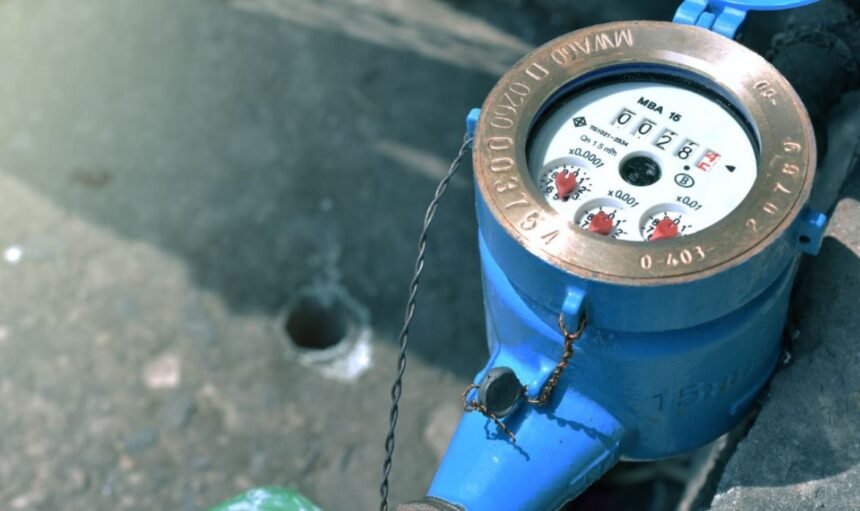
Zimbabwe is advancing efforts to upgrade its water infrastructure, having installed more than 18,000 smart prepaid water meters by March 2026 in the City of Harare. The move is part of a wider plan to reduce losses, improve efficiency, and ensure more accurate billing.
The rollout, being carried out in collaboration with Helcraw Electrical, is designed to tackle long-standing water supply challenges in the capital. Progress is expected to pick up pace after the recent arrival of roughly 60,000 additional meters. Initial installations have been concentrated in suburbs such as Belvedere, Westlea, Mabelreign, and Warren Park, where residents have largely embraced the shift away from estimated billing. Many say the prepaid system improves transparency, ensuring households are charged only for actual consumption while encouraging more careful water use.
READ: Kenya to construct 1200MW gas-fired power plant
Metering programme
Harare Mayor Jacob Mafume has backed the initiative, pointing to major inefficiencies within the city’s water network. Authorities estimate that close to 60% of treated water is lost before reaching consumers, leading to significant financial losses each month. Officials believe the introduction of smart meters will help boost revenue collection and provide reliable usage data, allowing for better planning and management of water supply.
The metering programme is part of a broader upgrade effort that includes replacing about 500 kilometres of old asbestos cement pipes with modern PVC infrastructure to reduce leakages. At the same time, improvements are underway at Morton Jaffray Water Treatment Works to increase production capacity and meet rising demand.
In the long term, the city aims to install around 320,000 smart prepaid meters in phases. There are also plans to manufacture more than 300,000 units locally, a move expected to cut costs and support sustainability. The initiative will play a key role in improving service delivery, strengthening revenue collection, and promoting water conservation as demand continues to grow.