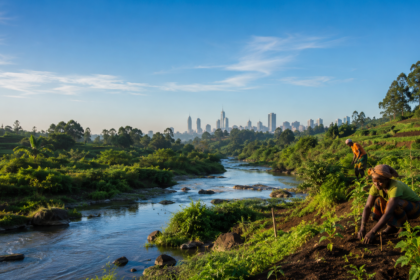


A major urban river rehabilitation initiative in Addis Ababa is attracting renewed industry attention following high-level discussions at IFAT 2026, with a sharp focus on wastewater management, flood resilience, and sustainable urban infrastructure.
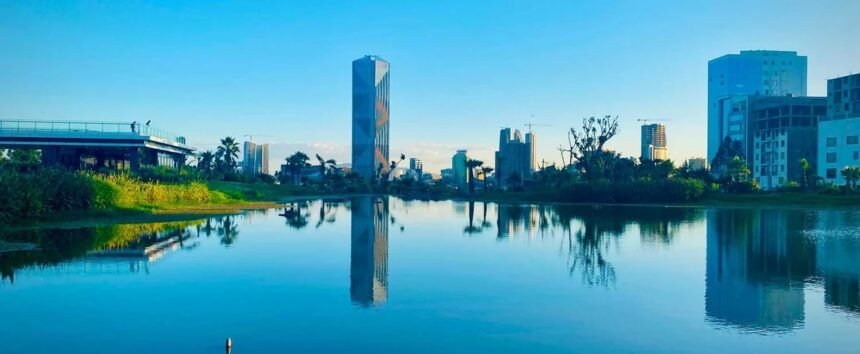
The ongoing Addis Ababa Riverside Park Development spans more than 50 kilometres of river corridors. It integrates river rehabilitation, sewer interception systems, wastewater treatment, flood mitigation, environmental restoration, and modern urban redevelopment — a model increasingly vital for fast-growing African cities.
African Urban Rivers Under Pressure
Belete A. Matebe, Managing Director for East Africa at Wilo Group, noted that across many African cities, rivers passing through major urban centers have become heavily polluted due to rapid urbanisation, untreated wastewater discharge, industrial effluent, and poor solid waste management.
“During the rainy season, these same rivers often overflow, causing severe flooding, environmental degradation, and major social and economic disruption,” Matebe said during IFAT 2026. “That is why transformative initiatives such as the Addis Ababa Riverside Park development are so important.”
Strategic Partnership Deepens
During the Munich trade fair, Matebe met with Atif Gafar, Managing Director of MENA-Water (a subsidiary of Huber Group), alongside representatives from MH Engineering PLC to discuss ongoing collaboration on the Ethiopian project.
MENA-Water has operated in Ethiopia for more than 15 years as a pioneer wastewater solutions provider with local presence. The company has delivered wastewater treatment solutions across universities, industrial parks, and urban developments — and has deployed hundreds of Wilo sewage pumps and mixers for wastewater infrastructure projects throughout the country.
Technology Integration: Pumps & Treatment
The partnership between Wilo and MENA-Water combines advanced wastewater treatment systems with energy-efficient pumping technologies. According to Matebe, this integration is designed to:
- Improve urban sanitation
- Reduce flood risks through reliable sewer interception
- Strengthen long-term water infrastructure resilience across East Africa
“Our partnership combines advanced wastewater treatment expertise with smart and energy-efficient pumping technologies to support more sustainable and resilient cities,” Matebe added. He thanked Eva Kerstholt for hosting the partners on behalf of Wilo AMEA.
Industry Outlook for Africa
Industry stakeholders attending IFAT 2026 noted that investments in wastewater treatment and river restoration are becoming increasingly critical across African cities facing mounting pressure from climate change, population growth, and aging infrastructure.
The Addis Ababa Riverside initiative is widely viewed as one of the continent’s most ambitious urban environmental rehabilitation projects, with the potential to serve as a model for sustainable river restoration and integrated urban water management in other emerging economies — from Nairobi to Kigali to Dar es Salaam.