Algeria, Tunisia and Egypt are stepping up investment in renewable energy and battery storage, with new wind and solar tenders alongside plans to expand local energy storage manufacturing across North Africa.
Algeria’s state-owned electricity utility Sonelgaz has issued a tender for the development of two wind farms with a combined capacity of 200 MW. The projects will be located in the provinces of Laghouat and Djelfa, with each facility expected to contribute 100 MW of wind power.
The contract covers engineering, civil construction, equipment procurement, installation and commissioning. The scope offers opportunities for renewable energy developers and engineering, procurement and construction (EPC) companies capable of delivering large-scale wind infrastructure, including the electrical systems required to connect the projects to the national grid.
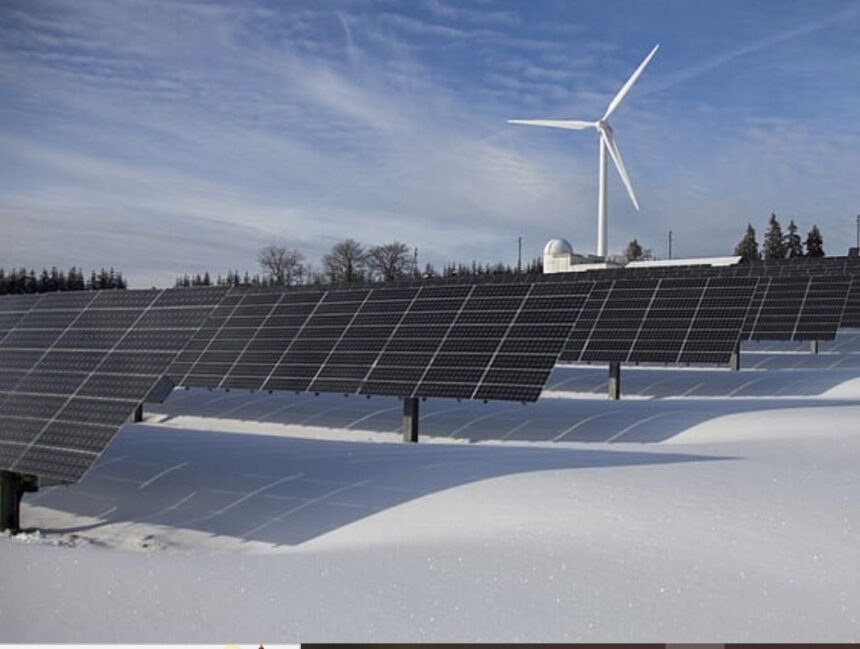
In Tunisia, the state-owned electricity and gas company STEG has launched a procurement process for a 50 MW solar power plant in the Tataouine Governorate. The facility will be equipped with a battery energy storage system (BESS) rated at 10 MW/20 MWh, enabling electricity generated during periods of strong sunlight to be stored for later use. The project is supported by financing from the European Bank for Reconstruction and Development (EBRD).
READ: Uganda targets commercial oil production by June 2027
Energy flexibility
The inclusion of battery storage is expected to improve the management of intermittent solar generation and provide greater flexibility in electricity supply. The tender could attract companies specialising in photovoltaic technology, energy storage equipment and integrated power management systems.
Egypt is pursuing a different approach by developing domestic capacity to assemble battery storage systems. Rosatom’s energy storage division has entered into a partnership with Telecom and Technology to establish an assembly facility with an annual production capacity of 500 MWh. The facility will target industrial and telecommunications customers, sectors that require dependable electricity supplies and backup power solutions.
In Israel, Doral Group is expanding its Hadarey Shean project with an additional 150 MW of solar generation capacity and 800 MWh of battery storage. The expansion is valued at approximately US $260.89M, according to the reported investment figure. The projects demonstrate the region’s growing focus on combining renewable electricity generation with storage technologies to improve power system reliability. Algeria’s wind tender and Tunisia’s solar-plus-storage development are creating procurement opportunities, while Egypt’s planned assembly facility could strengthen the regional supply chain for battery systems.
For international developers and EPC contractors, the latest initiatives provide potential opportunities across project design, construction, equipment supply and storage integration. Companies seeking contracts in the region will need to assess technical specifications, grid connection requirements, financing conditions and local procurement rules. As renewable energy deployment expands across North Africa and neighbouring markets, the ability to deliver projects that combine generation capacity with effective storage solutions is likely to become increasingly important for developers seeking to compete in the region.