

Uganda is targeting the start of commercial oil production by the end of June 2027, as the country moves closer to joining Africa’s oil-producing nations after more than two decades of development following its first commercial discoveries.
Initial crude exports are expected to follow through the East African Crude Oil Pipeline (EACOP), which will connect Uganda’s oilfields to international markets via Tanzania. Kristina Kasebayo, Head of Compliance at the Uganda National Oil Company (UNOC), announced the production timeline during a fireside chat at African Energy Week 2026 in Cape Town, South Africa. She said the country expects to achieve first oil before the end of its financial year in June 2027.
“First oil will start before the end of our financial year – June 2027 – which will position us as an oil producing country,” Kasebayo said.
The target represents a significant milestone for Uganda’s petroleum industry, which has taken years to progress from exploration and discovery to the development of commercial production infrastructure. Uganda announced its first commercial oil discoveries in 2006, opening the way for plans to develop its petroleum resources and establish crude oil exports as a new source of national revenue.
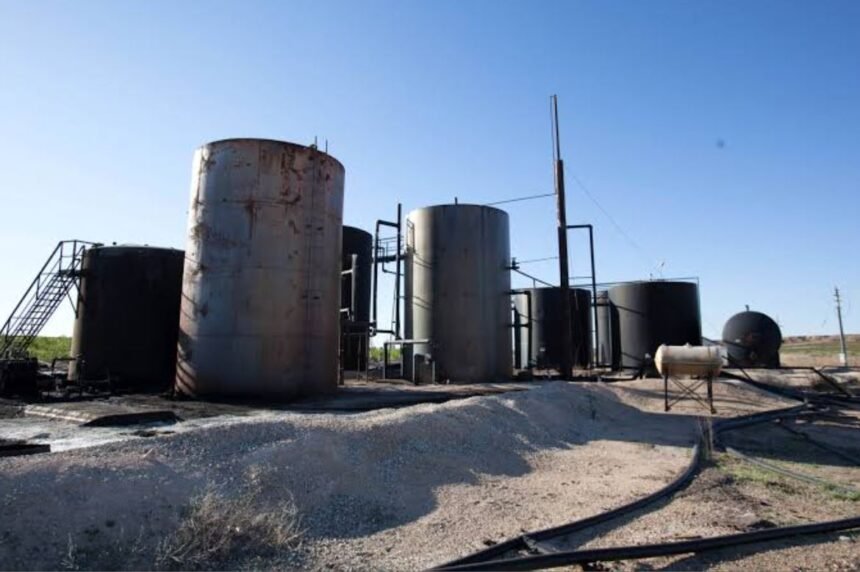
The planned production launch will depend on the readiness of the oilfield developments and associated infrastructure needed to bring crude to market. Uganda has been advancing its upstream petroleum projects alongside the construction of facilities required to process, transport and export crude oil.
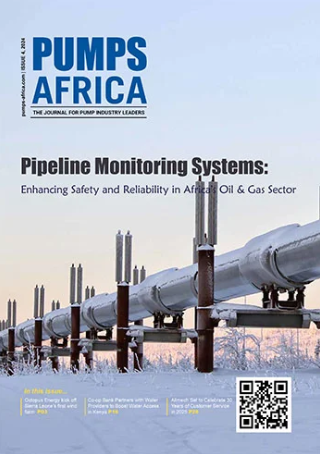
EACOP is a central component of this strategy. The approximately 1,443-kilometre pipeline is designed to transport crude from Uganda’s oilfields to the port of Tanga on Tanzania’s Indian Ocean coast, where the oil can be loaded onto tankers for international shipment. The infrastructure is intended to provide Uganda with a dedicated export route, linking its inland petroleum resources to overseas buyers.
The pipeline is also expected to strengthen regional energy cooperation by connecting Uganda’s emerging oil industry with Tanzania’s transport and maritime infrastructure. Its completion and operational readiness are therefore important to the country’s plans to begin sustained crude exports.
READ: Solarise Africa secures US $1.12M to expand renewable energy in Uganda, Zambia
Benefits
Commercial production would create opportunities for government revenue, foreign exchange earnings and investment across the petroleum supply chain. It could also support demand for logistics, engineering, maintenance and other services associated with oilfield operations. However, the June 2027 target remains a milestone to be achieved, with the timing of first exports dependent on the readiness of the production and transportation systems.
Uganda’s ability to meet the deadline will be closely watched by investors and regional energy stakeholders as the country seeks to translate its discovered resources into commercial output. If the target is achieved, Uganda will enter a new phase in the development of its energy sector, moving from a country with established petroleum discoveries to a commercial crude producer connected to international markets.