

Cameroon’s National Electricity Transmission Company (Sonatrel) has launched two international tenders for the construction of high-voltage transmission infrastructure under the Cameroon-Chad Power Interconnection Project (Pirect), a flagship regional initiative aimed at strengthening energy trade and integration in Central Africa.
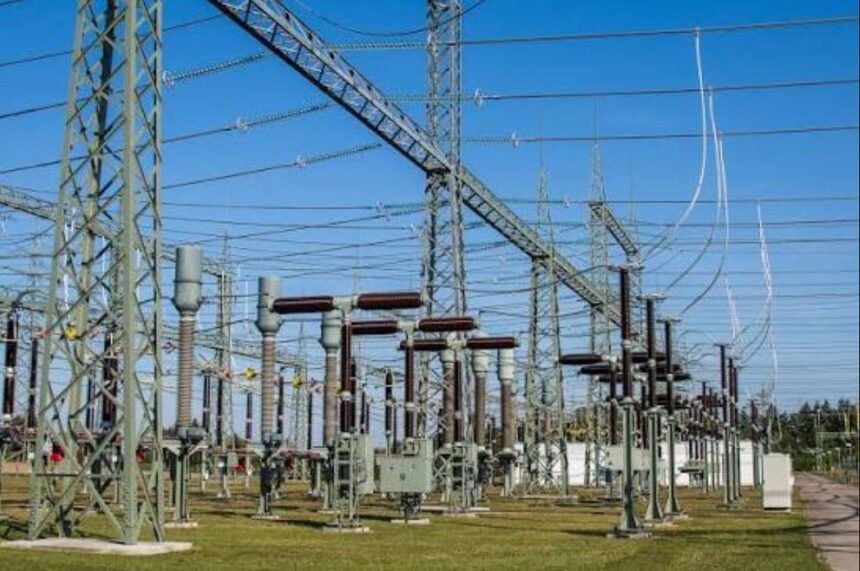
The tenders cover the development of 225-kV transmission lines and associated substations stretching from Wouro-Soua in Cameroon’s Adamaoua region to the border with Chad in the Far North region. The project is expected to enable Cameroon to export up to 100 MW of electricity to Chad, drawing power from the 420-MW Nachtigal hydropower plant.
READ: Zambia approves US $972M to strengthen energy supply
Tender details
The first tender, divided into two lots, involves the design, supply, installation and commissioning of approximately 419.6 kilometers of transmission lines. This represents part of the 566-kilometer network planned under the project’s second component. Project officials indicated that the remaining 146.4 kilometers will be procured at a later stage due to budget limitations.
A second tender covers the construction and expansion of substations at Wouro-Soua, Garoua 2, Maroua and Kousseri. Interested bidders have until November 18 and November 19, 2026, to submit proposals for the substation and transmission-line contracts, respectively. According to Sonatrel, each contract package is expected to be completed within 34 months of award, suggesting that the overall project will extend beyond the previously announced 2027 completion target.
While procurement activities continue for Component 2, work is already underway on Component 1, which seeks to connect Cameroon’s Southern and Northern Interconnected Grids. The component includes the construction of 524 kilometers of double-circuit transmission lines, four substations and electricity access improvements for 110 villages.
With an estimated total cost of 557.5 billion CFA francs (about US $980M), the project is financed by the World Bank, African Development Bank, Islamic Development Bank, European Union, and the governments of Cameroon and Chad. Officials say the interconnection project could lay the foundation for a regional electricity market within the Central African Economic and Monetary Community (CEMAC), strengthening cross-border energy trade and supporting broader regional integration efforts.