

Chad has commissioned a 2.808 MW hybrid solar power plant in Adré as part of its efforts to expand electricity access. The project combines renewable generation, battery storage and diesel backup to improve the reliability of power supplies in the eastern city.
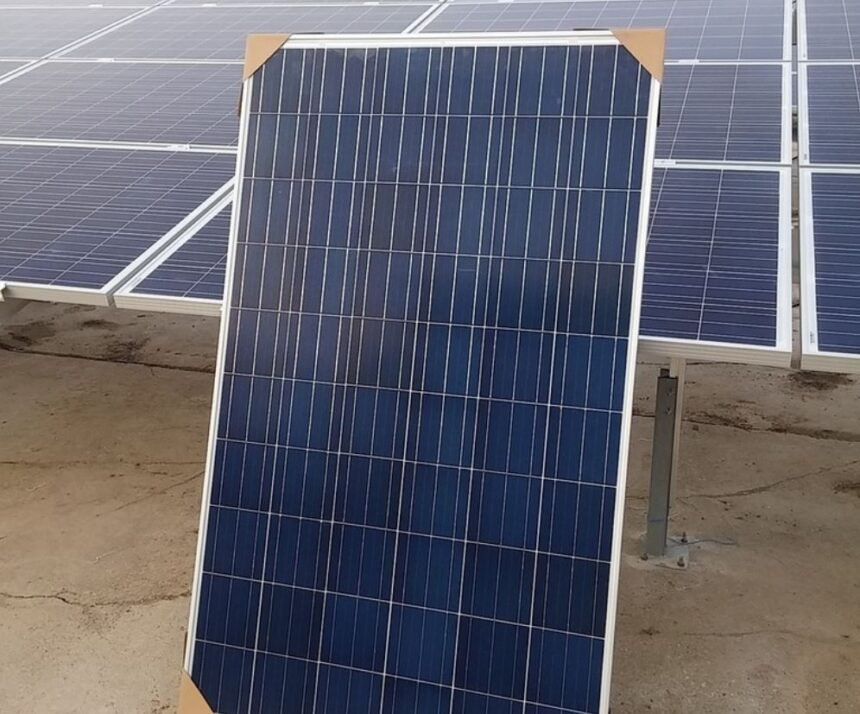
The facility features 4,800 solar photovoltaic panels capable of generating electricity during daylight hours, while a 7.52 MWh battery storage system allows surplus power to be retained and dispatched when solar output declines. The plant is also equipped with two 500 kVA diesel generators that can provide additional electricity when renewable generation and stored power are insufficient.
READ: Malawi, Mozambique, Tanzania ink deal to strengthen Ruvuma River Basin Management
Dependable electricity system
The combination is intended to create a more dependable electricity system while allowing solar power to meet a larger share of local demand. Battery storage can help bridge periods of low solar production, while the diesel units provide an additional layer of backup during periods of higher demand or prolonged interruptions.
The project was officially inaugurated as Chad seeks to address persistent electricity shortages and extend reliable power services to more communities. Younous Daoussa Mahamat, Director General of the Rural Electrification Development and Energy Management Agency (ADERM), said the development supports President Mahamat Idriss Déby Itno’s commitment to improving access to energy for the population.
For Chad, expanding electricity generation remains an important development priority. Limited and unreliable power supplies have constrained economic activity and access to essential services, particularly in areas outside the country’s main urban centres. Renewable energy is increasingly being considered as a way to expand supply without relying exclusively on conventional generation.
Chad’s geographic conditions also provide significant potential for solar development. Strong solar resources across much of the country create opportunities for both utility-scale projects and smaller distributed systems serving communities that are difficult or costly to connect to conventional electricity networks.
The Adré facility demonstrates how hybrid power plants can be deployed to address these challenges. Rather than depending on a single generation source, the project combines solar panels, energy storage and thermal backup, allowing the system to maintain supply under different operating conditions.
The development also reflects a wider trend across Africa, where governments and energy developers are investing in solar power and battery storage to tackle electricity deficits and improve grid resilience. Solar-plus-storage projects can reduce dependence on fuel-based generation while providing greater flexibility in managing electricity demand.
Across the continent, solar capacity continues to expand. Ivory Coast, for instance, commissioned a 52 MW solar plant in July as part of efforts to diversify its electricity mix. While the Adré project is smaller in scale, its hybrid configuration highlights the potential for tailored renewable energy solutions in regions with limited electricity infrastructure. The commissioning of the 2.808 MW facility marks another step in Chad’s efforts to diversify its power mix, strengthen energy security and expand access to more reliable electricity, while laying groundwork for greater use of the country’s substantial solar resources.