


Malawi, Mozambique and Tanzania have strengthened their cooperation on shared water resources after signing an agreement that will pave the way for the establishment of the Ruvuma/Rovuma River Basin Commission.
The agreement creates the legal framework for a permanent institution tasked with coordinating the management, development and protection of the Ruvuma/Rovuma River Basin, which extends across the three countries.
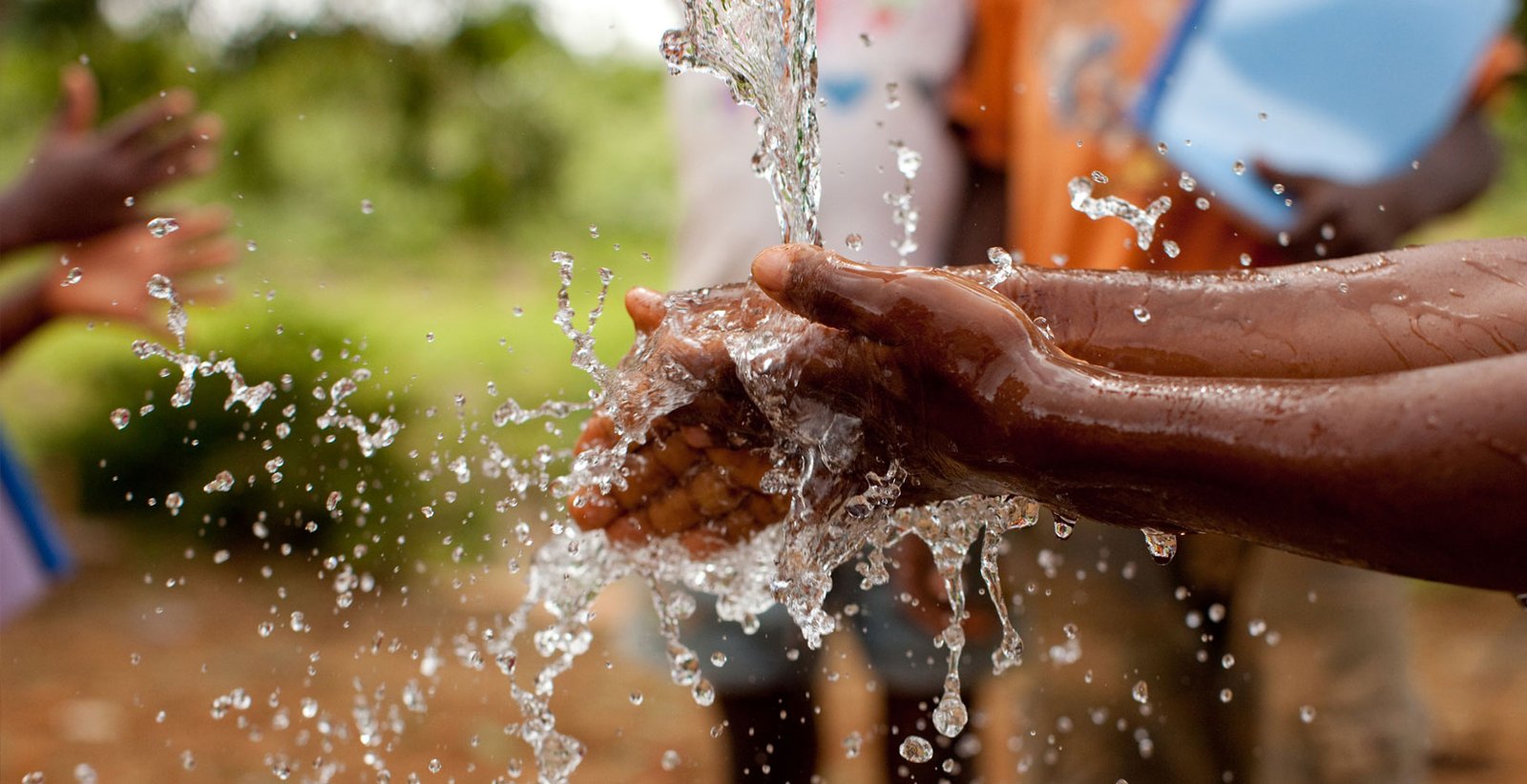
The roughly 800-kilometre basin is a major source of water for communities and economic activities, including agriculture, fisheries and domestic supply. It also contains important ecosystems and protected areas, making coordinated management critical to both environmental protection and regional development.
Mozambique’s Secretary of State for Public Works, Housing and Water Resources, Plácido Nerino Pereira, said the agreement demonstrated the political commitment of the three governments to using shared water resources as a driver of regional cooperation, economic development and stability.
READ: Predator Oil & Gas moves ahead with Morocco MOU-6 drilling campaign
Integrated Water Resources Management Strategy
The signing follows a memorandum of understanding reached by Malawi, Mozambique and Tanzania in July 2024. Since then, the governments have worked with regional and international organisations to develop the institutional arrangements needed to establish the basin commission. Among the organisations supporting the process are the International Union for Conservation of Nature (IUCN), Global Water Partnership Southern Africa, Wetlands International Eastern Africa and the German government through GIZ.
Tanzania’s Minister of Water, Jumaa Aweso, said the new framework would provide a platform for governments, communities and other stakeholders to participate in decisions affecting the basin. He also urged development partners to help mobilise financing for cross-border water infrastructure and other projects.
The three countries have also adopted an Integrated Water Resources Management Strategy for the basin. The strategy is designed to provide a common framework for managing water, land and natural resources while addressing competing demands and environmental pressures. The establishment of the commission comes as the region faces growing challenges linked to climate change, ecosystem degradation and pressure on water resources. Joint planning and data sharing are expected to help the three governments respond more effectively to these risks.
The cooperation is being supported by a five-year regional programme backed by the Global Environment Facility. The project has a total value of US $72.56M, including US $7.12M in GEF funding. The programme will focus on improving transboundary governance, strengthening scientific and technical decision-making, supporting community-based natural resource management and attracting investment into sustainable projects across the basin.
IUCN, which is serving as the GEF implementing agency, is working with Global Water Partnership Southern Africa and Wetlands International Eastern Africa to support implementation. The creation of the Ruvuma/Rovuma River Basin Commission is expected to give Malawi, Mozambique and Tanzania a stronger institutional platform for addressing shared water challenges and promoting sustainable development across the basin.