

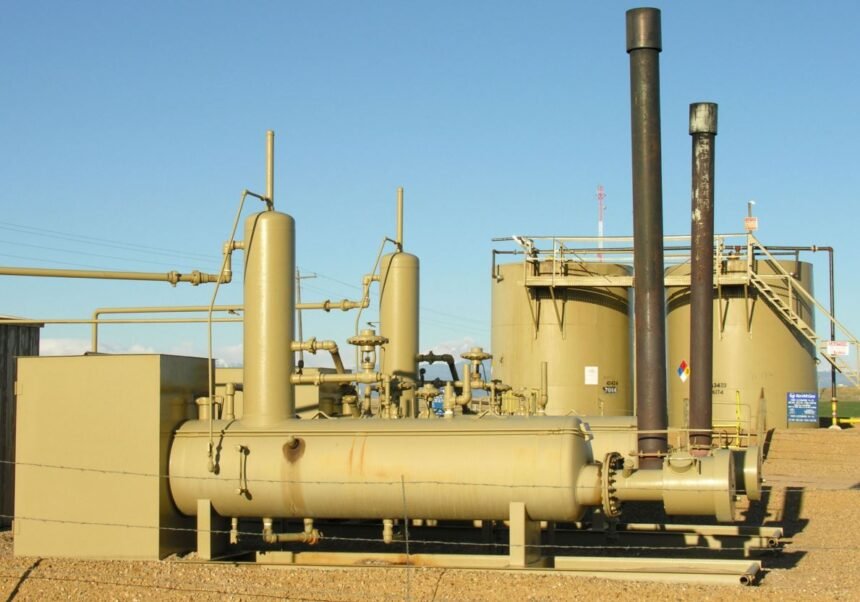
Egypt has officially begun the first phase of its oil sector privatization program by listing three state-owned petroleum companies on the Egyptian Stock Exchange (EGX), marking a key milestone in the government’s broader economic reform agenda.
The announcement was made by Minister of Petroleum and Mineral Resources Karim Badawi during the opening session of the EGX. He said the move forms part of the government’s privatization strategy and aligns with commitments made under Egypt’s economic reform program supported by the International Monetary Fund (IMF).
The companies included in the initial listing are Egyptian Linear Alkyl Benzene Company (ELAB), Petroleum Marine Services (PMS), and Engineering for Petroleum and Chemical Industries (ENPPI). ENPPI has the largest issued capital at US$357 million, followed by ELAB with US$210 million and PMS with US $120 million.
READ: Baker Hughes wins long-term service contract for ANOH gas plant in Nigeria
Goal
According to the ministry, the listings are intended to enhance the value of state-owned assets, broaden the ownership base, and encourage greater private-sector participation in the country’s economy. Badawi noted that the three firms were selected after a comprehensive assessment of their financial strength, operational performance, and growth potential, describing them as successful examples of the oil sector’s competitiveness.
The minister explained that the stock exchange listing is an initial step before shares are offered to investors. Independent financial advisers will first conduct valuations to determine the fair market value of each company before any public offering takes place. The Ministry of Petroleum also confirmed that preparations are underway to list and offer additional state-owned oil companies in subsequent phases of the privatization program. Officials believe the initiative will improve asset utilization, attract new investors, and strengthen the sector’s long-term sustainability.
Egypt has accelerated its privatization efforts as part of wider structural reforms aimed at reducing the state’s role in the economy and increasing private investment. In 2023, the government unveiled plans to sell or list stakes in more than 30 state-owned enterprises across various sectors to support economic growth and meet its reform commitments under the IMF-backed program.