

Ghana Water Limited (GWL) plans to replace ageing pumps and water distribution pipelines nationwide, prioritising existing infrastructure over network expansion.
Managing Director Adam Mutawakilu announced the shift before Parliament’s Public Accounts Committee on October 13, 2026. He said the utility had suspended new pipeline extensions from August to focus on replacing old infrastructure and improving service reliability.
“So we decided that from August, no more extensions. Rather, we’ll do replacement,” Mutawakilu said, according to Citi Newsroom.
The programme will initially target the Kpong Water Treatment Plant in the Eastern Region and ageing pipelines serving Abetifi and surrounding communities.
Kpong and Abetifi among priority areas
GWL has directed its regional and district offices to identify pipelines requiring replacement. The utility will review the submissions, allocate projects across its service areas and seek board approval before implementation.
The announcement signals a shift towards rehabilitating existing water production and distribution assets. However, GWL has not yet announced a detailed implementation schedule, project budget or pump specifications.
Water losses drive infrastructure overhaul
The replacement programme addresses persistent challenges associated with ageing transmission and distribution networks, including water losses and unreliable supply.
Earlier this year, Mutawakilu estimated that replacing Ghana’s ageing water transmission pipelines would cost more than GH¢3.5 billion. He said major transmission lines required replacement to reduce losses and improve network performance, according to MyJoyOnline.
Prioritising rehabilitation could help GWL improve the performance of existing assets before committing further resources to network expansion.
Opportunities for pump suppliers and service providers
For pump manufacturers, distributors and engineering contractors, the proposed programme could create opportunities in equipment replacement, refurbishment and aftermarket services.
Potential areas of demand include:
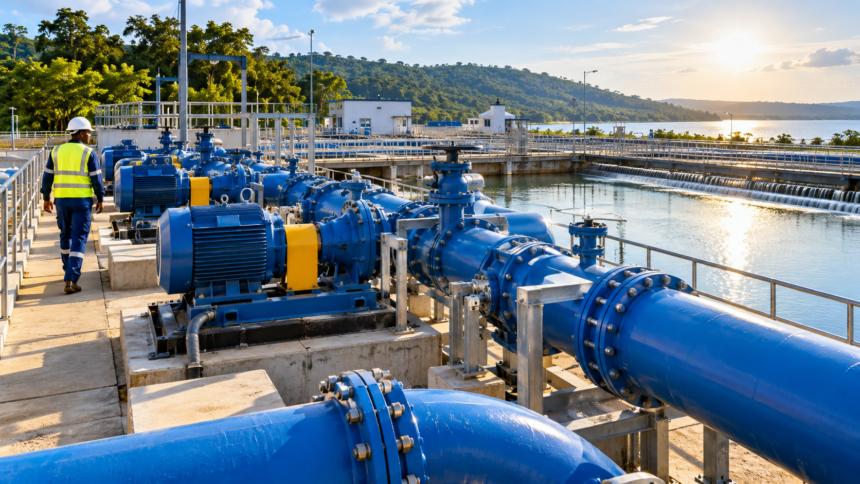
- Treatment plant pumps: Replacement and refurbishment of pumping equipment at facilities such as Kpong.
- Pump systems and components: Motors, impellers, mechanical seals, valves, control systems and instrumentation.
- Pipeline rehabilitation: Transmission and distribution pipes, fittings and associated installation equipment.
- Technical services: Pump installation, commissioning, performance testing and preventive maintenance.
These remain potential opportunities rather than confirmed contracts. Suppliers should monitor GWL’s procurement notices and project approvals before committing resources or treating the programme as a live tender pipeline.
Financial sustainability remains critical
The infrastructure programme comes as GWL seeks to strengthen revenue collection and improve its financial position.
Mutawakilu told the committee that the utility was mobilising less than 50% of its potential revenue. Management is also replacing commercial meters to improve billing and collection, according to MyJoyOnline.
He said GWL aims to become financially self-sustaining by 2027. The utility is also seeking to convert legacy loans into equity to improve its balance sheet and investment capacity.
What suppliers should watch
The next milestones are regional infrastructure assessments, board approvals, funding arrangements and procurement announcements.
For pump suppliers and engineering firms targeting Ghana’s water sector, these developments will help establish the programme’s scale, technical requirements and implementation timetable.
GWL’s proposed shift places rehabilitation ahead of expansion, potentially creating demand for replacement pumps, pipeline materials and maintenance services. The scale of the opportunity will depend on funding and the projects that move into procurement.