

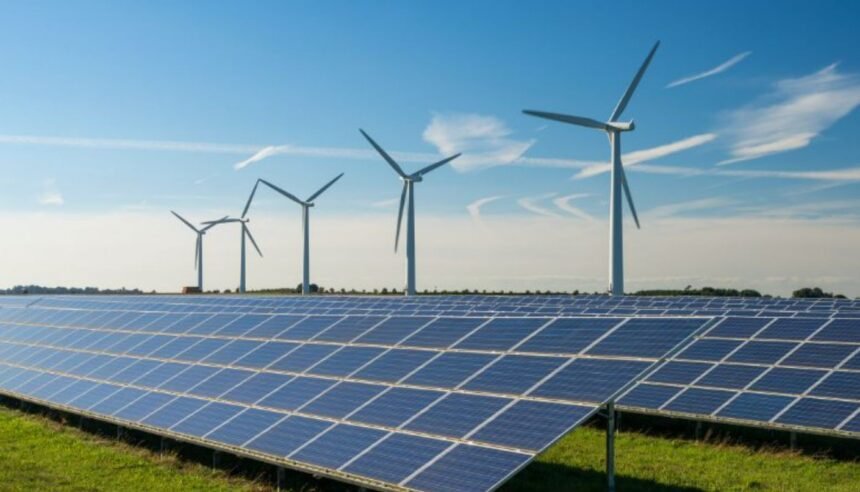
Zambia has signed a power purchase agreement (PPA) for a 100 MW hybrid wind and solar project between DZGM Energy Resources and state utility Zesco Limited. The agreement, witnessed by Energy Minister Makozo Chikote, is a step toward diversifying its energy mix.
The project is set to be developed within six months, with electricity fed into the national grid. The initiative is expected to boost generation capacity and improve supply reliability amid rising electricity demand. DZGM Energy Resources said the investment aligns with the government’s push to increase private sector participation in the energy sector, reaffirming its commitment to deliver the project in partnership with Zesco.
READ: Zimbabwe rolls out smart water meters in Harare
Zambia’s electricity
Zambia’s electricity system remains heavily dependent on hydropower, which accounts for more than 80% of total generation. This reliance has exposed the country to climate-related risks, particularly during drought periods. In 2024, reduced water levels significantly impacted power production, leading to supply constraints.
To address these challenges, the government has been accelerating the rollout of solar projects as part of its broader energy diversification strategy. In September 2025, Africa GreenCo and Serenje Energy signed a preliminary agreement for a 25 MW solar plant in Lusanje. In January 2026, the Natural Resources Development College commissioned a 20 MW solar project in Lusaka. This was followed in February by an implementation agreement with China’s Goldenray Energy for a 118 MWp solar plant in Sinazongwe, Southern Province.
The newly signed DZGM project supports Zambia’s 2024 Integrated Resource Plan, which prioritizes reducing dependence on hydropower while strengthening energy security. By combining wind and solar generation, the hybrid facility is expected to provide a more stable and consistent power supply, helping to smooth output variations associated with single-source renewable projects. However, as Zambia continues to scale up variable renewable energy, further investments in grid infrastructure will be necessary to manage intermittency and ensure efficient power distribution.