

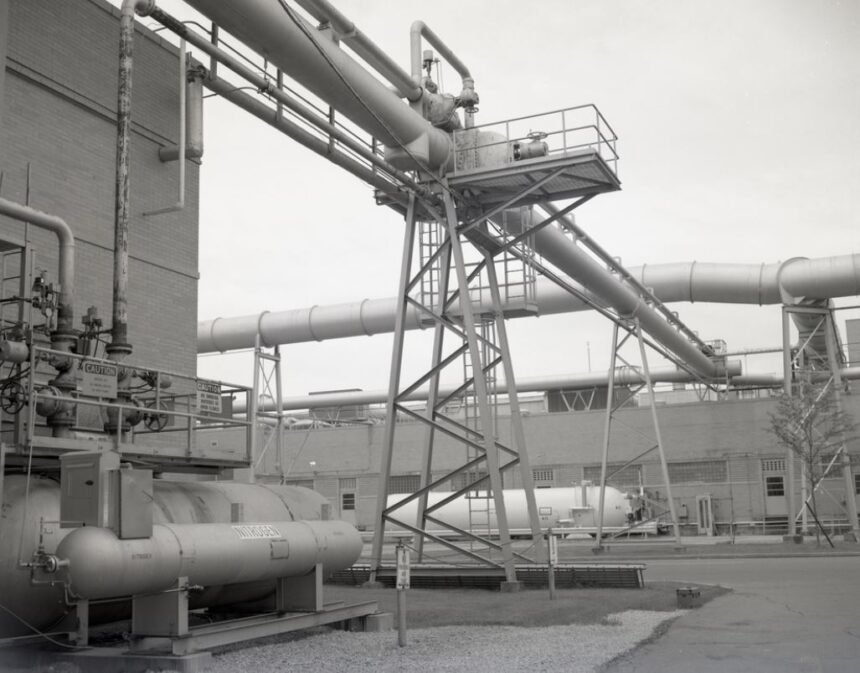
Egypt is set to allocate about $4.5 billion to refinery development in the 2026/27 fiscal year as the government steps up efforts to expand domestic fuel production and reduce the cost of importing petroleum products.
The investment forms part of a wider strategy being pursued by the Ministry of Petroleum and Mineral Resources to increase oil and gas output, attract new capital and strengthen Egypt’s ability to meet domestic energy demand. Petroleum Minister Karim Badawi said the government will also prioritise reducing the petroleum import bill and expanding local value addition across the energy industry.
Refinery expansion is expected to be a key component of the programme, allowing Egypt to process more crude domestically and produce a larger share of the fuels consumed in the local market. The government has not yet disclosed the individual refinery projects or companies that will be involved in the planned spending. The investment plans were discussed during a meeting between Badawi and Planning and Economic Development Minister Ahmed Rostom to review the petroleum sector’s priorities under the new fiscal-year development programme.
READ: Egypt launches international bid round for oil, gas exploration
Government plans
Alongside refinery development, Egypt is seeking to expand its role in regional gas markets. The government plans to receive natural gas from Cyprus and process or handle the supplies for re-export to international markets. The initiative could strengthen Egypt’s position as an energy hub by making greater use of its existing LNG facilities and export infrastructure.
Rostom said progress in settling outstanding payments to international petroleum companies has also helped improve the investment environment. Regular payments to foreign partners are intended to restore confidence and encourage international companies to increase exploration and production activity in Egypt.
The government’s focus comes as the petroleum sector begins to show signs of recovery following several years of weaker performance. Official figures cited in June 2026 showed that the sector expanded by 0.7% during the third quarter of fiscal year 2025/26, marking its first quarterly growth since the first quarter of fiscal year 2023/24. Higher production of crude oil, condensates and liquefied petroleum gas contributed to the improvement.
Egypt is also seeking to strengthen energy security amid continuing geopolitical uncertainty and volatility in international energy markets. Officials view the petroleum sector as an important source of economic activity as well as a strategic component of national energy security. The planned US $4.5bn refinery investment signals a broader effort to move Egypt toward greater domestic processing and lower dependence on imported fuels. Combined with plans to handle and re-export Eastern Mediterranean gas, the strategy could also reinforce the country’s ambitions to become a major energy transit and trading centre linking regional producers with international markets.