

Egypt and the European Union have agreed on a financing package worth up to US $800M to modernize the country’s electricity transmission network and support the large-scale integration of renewable energy projects into the national power system.
The package includes a US $696M loan from the European Investment Bank’s development arm, EIB Global, alongside up to US $104M in grants from the European Commission. The investment will be implemented by the Egyptian Electricity Transmission Company (EETC), which is spearheading efforts to strengthen grid infrastructure and support the country’s energy transition.
The project is expected to enable the connection of 22GW of renewable energy capacity to Egypt’s electricity network by 2030, enough to supply power to roughly 10 million households. The initiative forms part of Egypt’s broader strategy to expand clean energy generation, improve energy security, and reinforce its position as a regional energy hub.
READ: Egypt secures US $420M investment to upgrade major Gabal El Zeit Wind Farm
Modernization program
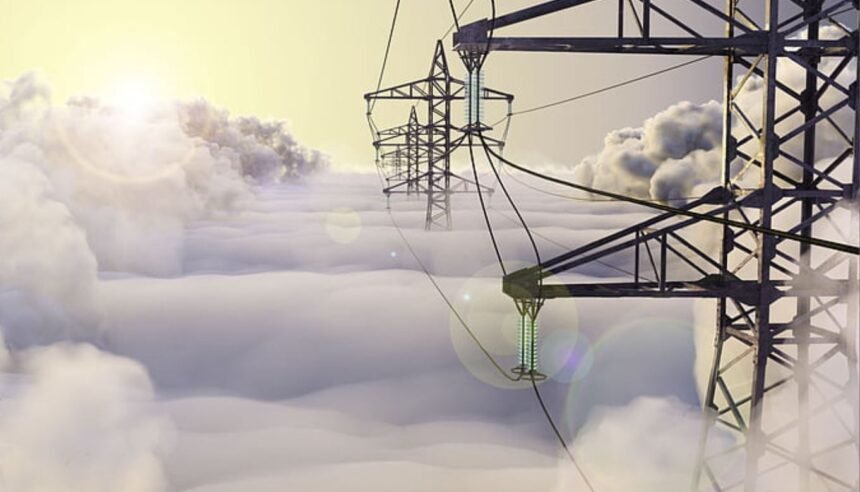
The modernization program will include the construction of new substations and advanced transmission lines designed to connect major solar and wind projects in the Red Sea and Gulf of Suez regions to the national grid. The upgrades are expected to improve network efficiency, reduce transmission losses, and enhance the reliability of electricity supplies across the country.
The initiative is among the first major investments launched under the Trans-Mediterranean Renewable Energy and Clean-Tech Cooperation Initiative (T-MED), a regional framework established to strengthen clean energy collaboration between the European Union and countries across the southern Mediterranean.
Officials from both sides say the project will help attract additional investment into Egypt’s renewable energy sector while creating opportunities for greater cooperation between Egyptian and European companies. The improved infrastructure is also expected to support future regional electricity interconnections and cross-border clean energy trade.
Under the financing structure, European funding will cover approximately 44% of the program’s total cost, while the remaining investment will be financed by EETC. The EIB-backed phase is scheduled for implementation between 2027 and 2030, with the Egyptian government acting as the borrower through the Central Bank of Egypt.
The agreement highlights the growing partnership between Egypt and the European Union in advancing sustainable energy development and building a more resilient electricity system capable of supporting long-term economic growth and rising demand for clean power.