

The Kingdom of Lesotho has sealed a binding Memorandum of Agreement (MoA) valued at approximately US $6.2bn with U.S.-based energy company Convalt Energy to expand its energy and digital infrastructure.
The agreement which is expected to become the largest foreign direct investment commitment in the country’s history, forms the foundation for the proposed “Project Kobong,” a large-scale development that combines renewable energy generation with advanced digital infrastructure. The announcement came after discussions between King Letsie III and Richard Gephardt, a former U.S. House Majority Leader who serves on Convalt Energy’s board.
READ: Gambia, Eni ink deal for offshore exploration of Block A1
Economic boost
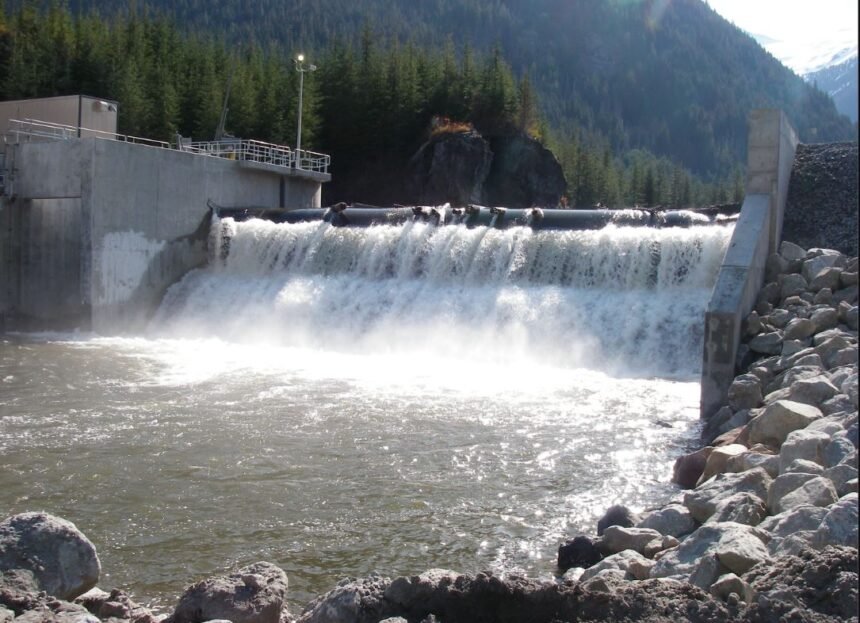
At the center of the proposal is the development of 1,200MW of hydropower capacity, coupled with the construction of an artificial intelligence-focused data center. The project aims to strengthen Lesotho’s energy independence, reduce reliance on imported electricity, and create opportunities for exporting surplus power to regional markets.
Government officials believe the investment could play a major role in reshaping the country’s economy by increasing domestic electricity supply while supporting industrial growth and regional energy trade. The planned hydropower facilities are expected to enhance long-term energy security and support broader economic development goals.
The digital infrastructure component is designed to position Lesotho as an emerging destination for technology investment in Africa. By hosting an AI data center powered by renewable energy, the country hopes to attract technology-driven businesses and participate in the growing global demand for computing capacity required by artificial intelligence applications.
The project is also expected to generate economic benefits beyond Lesotho’s borders. According to project stakeholders, the development could create significant demand for U.S. equipment, technology, and services, supporting manufacturing and supply chains linked to the initiative. While the agreement marks an important milestone, the project will still need to progress through financing, regulatory approvals, technical studies, and environmental assessments before construction can begin. If successfully implemented, Project Kobong could establish Lesotho as both a regional clean-energy exporter and a growing hub for digital infrastructure in Southern Africa.