

STANLIB Asset Management, a subsidiary of Standard Bank Group, has reached the first close of its Khanyisa Energy Transition Fund, securing approximately US $282M (R5 billion) as of March 2026. Initial capital for the fund was anchored by seed investments from Standard Bank Group and Liberty Holdings, signaling strong institutional backing for energy transition initiatives.
The Khanyisa fund is structured to connect large-scale investors with infrastructure opportunities that support the country’s gradual move away from fossil fuels. The milestone reflects increasing investor confidence in South Africa’s shift toward a cleaner and more sustainable energy mix.
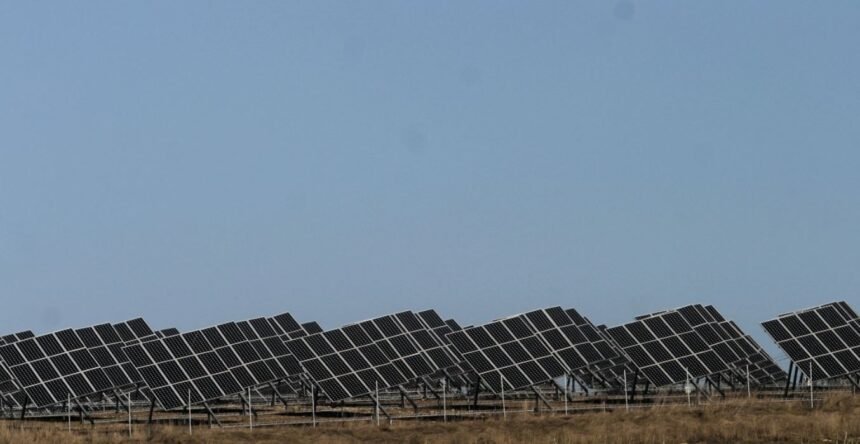
The fund is designed to advance a “just energy transition,” balancing emissions reduction with economic stability and social inclusion. It already draws strength from a portfolio of 14 operational renewable energy projects developed under the Renewable Energy Independent Power Producer Procurement Programme, demonstrating both the maturity and bankability of clean energy investments in the market.
READ: Djibouti to receive US $35M to expand access to safe and reliable water
Objectives
STANLIB aims to scale the fund to R18 billion within the next three to five years. To achieve this, it is targeting institutional investors including pension funds, insurers, and development finance institutions that are increasingly seeking investments combining stable returns with measurable environmental impact.
The fund’s strategy extends beyond conventional solar and wind projects. It will also channel capital into emerging sectors such as decentralized energy systems, green hydrogen, and electric mobility infrastructure. This diversified investment approach is intended to tackle multiple dimensions of South Africa’s energy challenges while fostering innovation in new technologies.
As South Africa accelerates efforts to modernize its power sector and reduce reliance on coal, the Khanyisa Energy Transition Fund positions STANLIB as a key catalyst in mobilizing capital for critical infrastructure. The initiative is expected to play a meaningful role in advancing a cleaner, more resilient, and inclusive energy future.