

Tanzania has proposed a US $967.3m budget for its energy sector in the 2026/2027 financial year, with a strong emphasis on development projects spanning electricity generation, transmission, natural gas, and fuel supply.
Energy Minister Deogratius Ndejembi told parliament that US $943.2m of the total budget is allocated to development expenditure, while US $24.1m will cover recurrent costs. Funding will be sourced from both domestic (US $613.8m) and external (US $329.4m) channels, underscoring efforts to strengthen energy infrastructure and support industrial growth.
The country has recorded notable progress in electricity capacity, with installed generation rising to 4,522.54MW in March 2026, up from 4,031.71MW a year earlier. Peak demand also increased to 2,199.06MW. Transmission infrastructure expanded to 8,500.38km, while distribution networks grew to 240,229.56km.
READ: Sierra Leone, Nigeria’s Marginal Energy ink US $225m offshore oil deal
Energy access rate
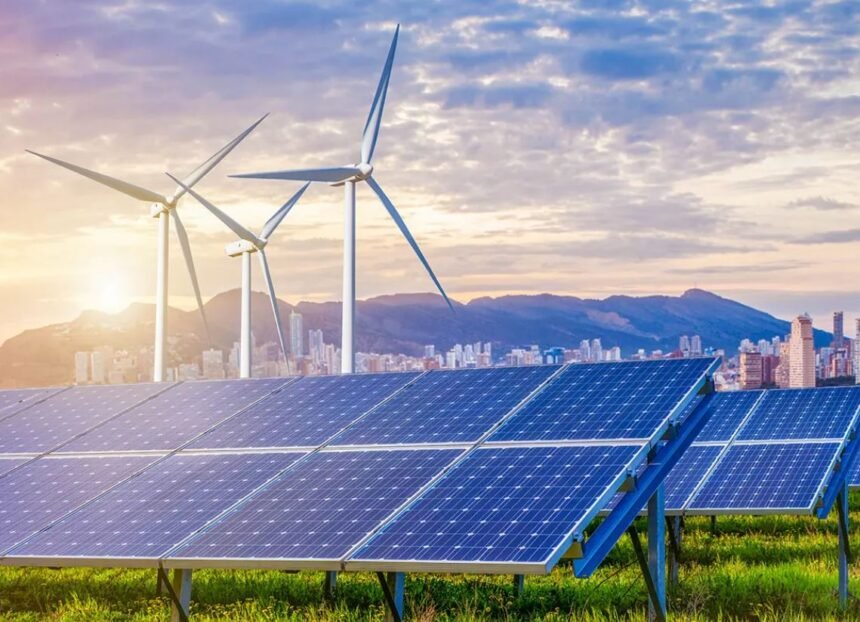
Electricity access has improved significantly, reaching 85.5%, compared to 78.4% in 2020. Meanwhile, the share of the population connected to power climbed to 52.1% from 37.7%. The government aims to connect 8.3 million new customers by 2030, pushing connectivity levels to 75%. A key contributor to generation remains the Julius Nyerere Hydropower Project, which has a capacity of 2,115MW. Additional hydro and solar projects are also being developed across the country to diversify the energy mix.
On the transmission side, major projects such as the 400kV Chalinze–Dodoma line and the Iringa–Sumbawanga line are underway as part of broader national grid expansion efforts. Rural electrification remains a priority, with the government targeting full connectivity of all 64,359 mainland hamlets by 2030. Thousands of communities are already covered under ongoing initiatives.
In the gas sector, output from Songo Songo and Mnazi Bay reached 41,530.94 million cubic feet, while new developments in Ntorya are expected to significantly boost production. Compressed natural gas infrastructure is also expanding, with the number of CNG stations doubling from nine to 18, alongside new vehicle conversion and distribution facilities. Additionally, the government is strengthening fuel security by expanding strategic petroleum storage, including a new reserve facility in Kigamboni, while ensuring adequate supply for the coming months.