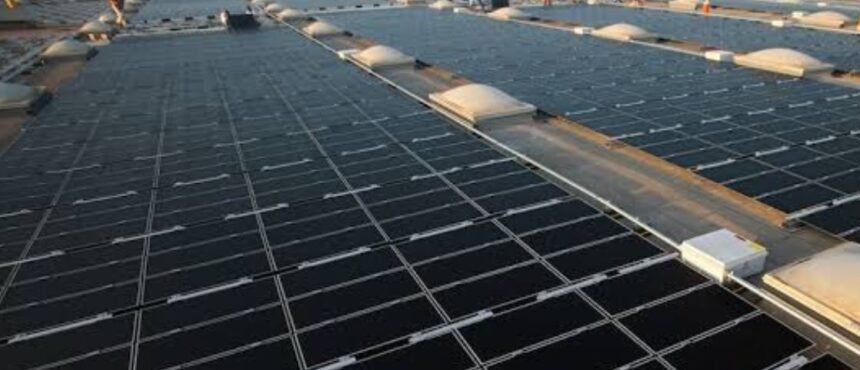
Tanzania is advancing plans to increase its renewable electricity generation capacity through a $79 million investment in the second phase of the Shinyanga Solar Power Project, which will add 100 megawatts (MW) to the country’s national electricity grid.
The expansion, being undertaken in Kishapu District in Shinyanga Region, is expected to raise the project’s total planned generation capacity to 150MW, following the development of an initial 50MW facility. Deputy Minister for Energy Salome Makamba announced the investment during a government visit to Kishapu, confirming that technical personnel had arrived at the site ahead of the next stage of implementation.
The second phase is expected to strengthen electricity availability across Tanzania’s Lake Zone, where dependable power supply is increasingly important for mining, manufacturing, agricultural processing and other commercial activities. The initial phase of the project has already delivered benefits beyond electricity generation. According to Makamba, its implementation has supported local employment, road improvements and the construction of classrooms and healthcare facilities through community development initiatives.
READ: Egypt pushes for faster implementation of energy projects with Libya
Energy diversity
The expanded facility is also expected to create further economic opportunities for communities around the project site while improving access to electricity for businesses and households. Tanzania’s investment in the Shinyanga solar development reflects its broader strategy to diversify electricity generation sources and reduce reliance on conventional energy resources. Increasing solar capacity is particularly important as the country seeks to meet rising electricity demand associated with industrialisation, infrastructure development and population growth.
The government is also promoting the adoption of cleaner household energy alternatives, including liquefied petroleum gas (LPG), electricity and alternative charcoal products, as part of efforts to reduce dependence on traditional biomass fuels and limit environmental degradation. The Shinyanga development represents a significant addition to Tanzania’s renewable energy infrastructure and supports the country’s ambition to establish a more diversified and reliable electricity supply system.