

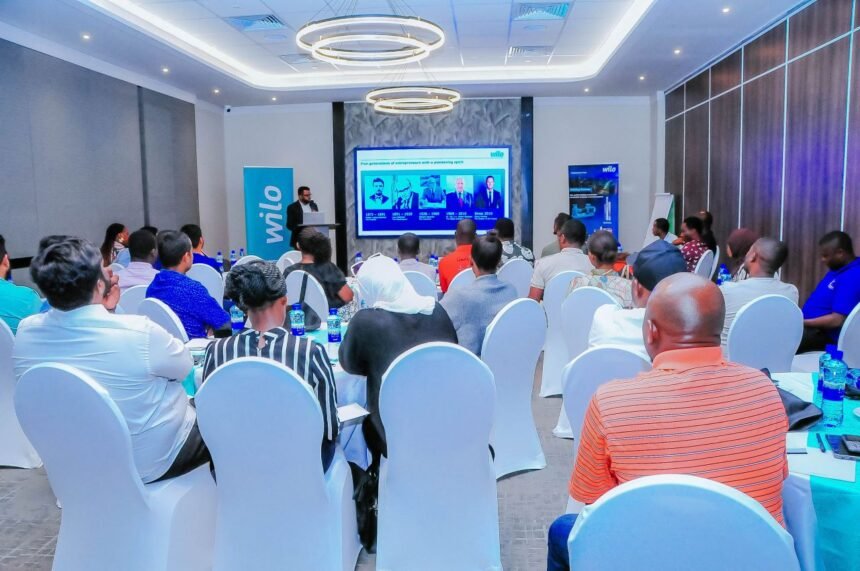
Wilo Smart Pump Solutions are reshaping how East Africa approaches energy use in water and building systems. This shift was clear during a recent seminar in Dar es Salaam, Tanzania, where Wilo East Africa hosted the event in partnership with ACET Tanzania.
The seminar brought together consultants, contractors, utilities, and industry stakeholders. The goal was simple: address rising energy costs and improve system efficiency. The outcome was powerful. A shared understanding emerged across the room: energy is no longer just a cost. It is the defining factor in operational sustainability.
According to Wilo representatives, it was a pleasure to engage with local experts on one of the most critical topics for the region: energy efficiency and sustainable water management. The discussions clearly highlighted a shared reality—energy remains the highest operational cost in water and building systems, and efficiency with smart technologies are no longer optional; they are essential.
Why Energy Efficiency Matters More Than Ever
Energy remains the largest operational expense in most pumping systems. This applies across water utilities, commercial buildings, and industrial facilities. In many African markets, energy costs can reach up to 60% of total lifecycle costs. This reality is pushing decision-makers to rethink system design.
Traditional pumping systems often operate inefficiently. They run at constant speeds, regardless of demand, leading to energy waste and higher maintenance costs. Wilo Smart Pump Solutions address this gap directly. They use intelligent controls and variable speed drives. These technologies adjust performance based on real-time demand. The result is lower energy consumption and improved system lifespan.
During the session, participants explored practical approaches to reducing energy consumption in pumping systems, the role of smart and digital solutions in optimizing performance, and Wilo reference projects across East Africa.
Smart Technologies Are No Longer Optional
One key message stood out during the seminar: smart and digital solutions are now essential. They are no longer a luxury for advanced markets. Across East Africa, infrastructure demands are growing fast. Urbanization is increasing pressure on water systems, buildings require more efficient service systems, and energy costs continue to rise. This creates a perfect storm. Without smart solutions, systems become unsustainable.
Wilo Smart Pump Solutions integrate digital monitoring and automation. Operators can track performance in real time, detect inefficiencies early, and optimize operations remotely. This level of control reduces downtime and operating costs.
Practical Strategies for Reducing Energy Use
The seminar moved beyond theory. It focused on practical, real-world solutions. Participants explored several key strategies:
- Right-Sizing Pump Systems – Oversized pumps waste energy. Correct system design ensures optimal performance.
- Variable Speed Operation – Pumps should match demand, not run at full capacity. Variable speed drives help achieve this balance.
- System Optimization – Efficiency is not just about the pump. It includes pipes, valves, and controls. A holistic approach delivers better results.
- Preventive Maintenance – Well-maintained systems perform better and consume less energy over time.
These strategies align with global best practices and are highly relevant for African conditions.
Tanzania Shows Strong Market Readiness
One of the most encouraging outcomes was the market response. Tanzanian stakeholders showed strong interest in smart solutions. There is growing awareness of sustainability challenges and a willingness to adopt new technologies. This signals a shift in mindset. Infrastructure is no longer just about installation; it is about performance and long-term efficiency.
What stood out most, according to Wilo East Africa, was the strong interest and commitment from the Tanzanian market to move toward more sustainable and resilient infrastructure. Wilo Smart Pump Solutions fit well within this transition. They offer both technical and economic benefits, making them attractive to both public and private sectors.
Real Projects Driving Change in East Africa
Wilo shared several reference projects during the seminar demonstrating real impact across East Africa. In commercial buildings, smart pumps have reduced energy use significantly. In water utilities, system optimization has improved reliability. In industrial settings, automation has enhanced operational control. These examples provide proof that efficiency gains are not theoretical—they are already happening across the region. This builds confidence among stakeholders and accelerates adoption.
Building Sustainable Infrastructure for the Future
Sustainability is no longer a buzzword. It is a requirement for future infrastructure. Governments are setting stricter regulations. Investors are prioritizing efficient systems. End-users are demanding better performance. Wilo Smart Pump Solutions support all these goals by reducing energy consumption, lowering carbon emissions, and improving system reliability.
Wilo East Africa remains committed to supporting this journey through innovative solutions, technical expertise, and strong partnerships. The company is not just supplying products; it is providing expertise and partnership. Through seminars like this, Wilo builds industry capacity, shares knowledge with local stakeholders, and supports the transition to smarter systems. This approach creates long-term value and strengthens both the market and the ecosystem.
The Road Ahead
East Africa stands at a critical point. Demand for water and building services is rising fast. Energy costs are not slowing down. Climate pressures are increasing. These challenges require smarter solutions. Wilo Smart Pump Solutions provide a clear path forward. The Dar es Salaam seminar was more than an event—it was a signal of change. A shift toward efficiency, intelligence, and sustainability.
Are your pumping systems optimized for efficiency? Now is the time to act. Explore smart solutions. Invest in energy-efficient systems. Partner with experts who understand the future. Because in today’s market, efficiency is not an option. It is a necessity.