

The Ethiopian government has signed financing agreements worth US $1.72bn with the World Bank to support a range of development projects aimed at improving infrastructure, expanding access to essential services, and strengthening economic resilience across the country.
The agreements were officially signed by Ethiopia’s Minister of Finance, Ahmed Shide, and Ousmane Dione, the World Bank’s Country Director for Ethiopia, Eritrea, Sudan, and South Sudan. According to the Ministry of Finance, the funding package will be used to advance projects in the energy, transport, water, sanitation, and social development sectors.
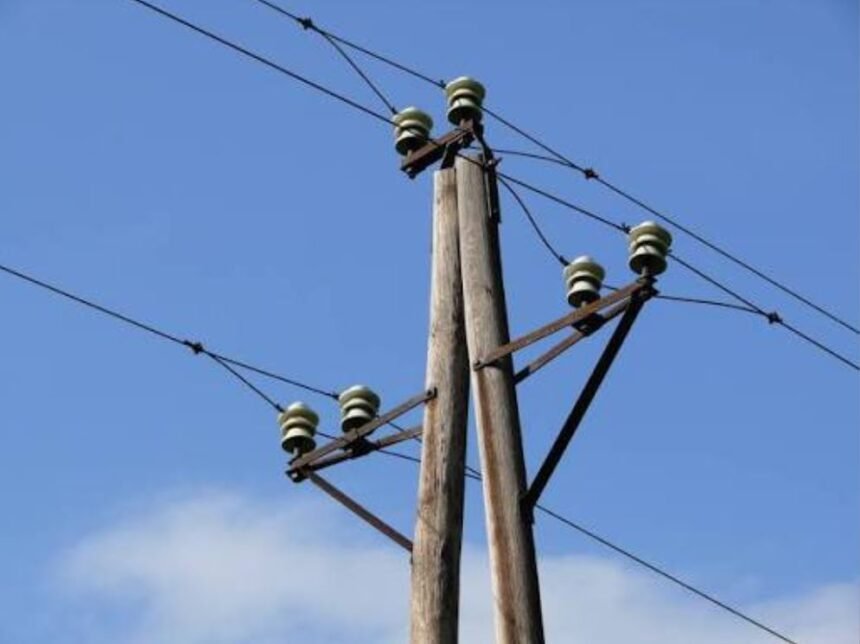
A major portion of the financing, amounting to US $523M, has been allocated to expand Ethiopia’s electricity network and accelerate investments in renewable energy. The initiative is expected to improve electricity access for households and businesses while supporting the country’s broader clean energy ambitions. Another US $500M will be directed toward improving access to food markets by upgrading transport infrastructure, including rural road networks. The investment is intended to enhance connectivity between agricultural production areas and commercial markets, helping farmers reduce transportation challenges and improve the movement of goods.
READ: Ethiopia secures US $275M to boost urban water services
Social Development
The financing package also includes an US $82.5M grant dedicated to programs that seek to improve the livelihoods of low-income urban residents and expand employment opportunities for disadvantaged youth. The initiative aims to strengthen labour market inclusion while supporting income-generating activities in urban communities.
In addition, the World Bank has approved a US $340M credit to enhance climate resilience and improve livelihoods for pastoral and agropastoral communities in Ethiopia’s lowland regions. These areas have been particularly vulnerable to the effects of climate change, including prolonged droughts and declining agricultural productivity.
To strengthen access to basic services, the agreement also provides a US $275M grant for water supply and sanitation projects. The funding will support improvements in operational efficiency while expanding access to clean water and sanitation facilities in Addis Ababa and several secondary cities across the country.
The new financing comes as Ethiopia continues to navigate a challenging economic environment marked by foreign currency shortages, the lingering effects of the COVID-19 pandemic, internal conflicts, and recurring climate-related disasters such as droughts, floods, and locust invasions. Government officials believe these investments will help improve public infrastructure, create economic opportunities, and enhance the country’s capacity to withstand future shocks.
World Bank financing typically offers highly concessional terms, including very low or zero interest rates and repayment periods extending between 30 and 40 years. The inclusion of grant funding alongside concessional credits is expected to ease the financial burden while enabling Ethiopia to implement critical development projects aimed at fostering sustainable and inclusive economic growth.