

The African Development Bank Group (AfDB) and ILX Management B.V. (ILX) have executed their first joint investment, signaling progress in efforts to attract European institutional capital into climate-focused infrastructure projects across Africa.
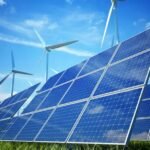
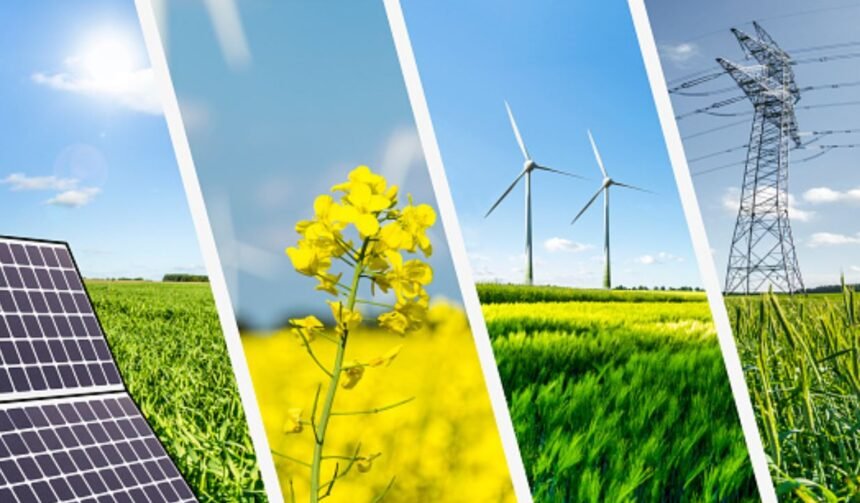
Under the transaction, ILX provided US $40M via a funded risk participation in a senior debt facility arranged by the AfDB. The financing supports a renewable energy developer behind a 1.1-gigawatt wind power project in Egypt, forming part of a wider US $140M loan package led by the Bank. The deal follows a 2023 partnership agreement between the two institutions aimed at mobilising private investment for projects aligned with climate goals and the Sustainable Development Goals (SDGs) in Africa.
READ: Tanzania earmarks US $967m for energy sector
Boost in energy mix
The wind project is classified under climate mitigation financing, with expected benefits including lower carbon emissions, reduced reliance on fossil fuels, and improved energy security. It is also expected to ease pressure on Egypt’s foreign exchange reserves by cutting fuel imports while boosting the share of renewables in the country’s energy mix.
AfDB President Sidi Ould Tah said the transaction highlights the critical role of private capital in addressing Africa’s development financing gap. He noted that partnerships such as the one with ILX are helping accelerate clean energy investment while maintaining strong environmental and governance standards. ILX Chief Executive Officer Manfred Schepers described the deal as a milestone, pointing to the Bank’s experience in structuring high-impact projects as a key factor in attracting institutional investors to emerging markets.
Dutch Minister for Foreign Trade and Development Cooperation Sjoerd Sjoerdsma said the agreement demonstrates how collaboration between development institutions and private investors can unlock large-scale financing. He added that the initiative strengthens Egypt’s energy resilience and reflects continued backing from European partners, including the Netherlands, Germany and the United Kingdom. The transaction is expected to serve as a model for future deals, as both institutions seek to scale up investment in sustainable infrastructure and expand the role of pension capital in Africa’s energy transition.