

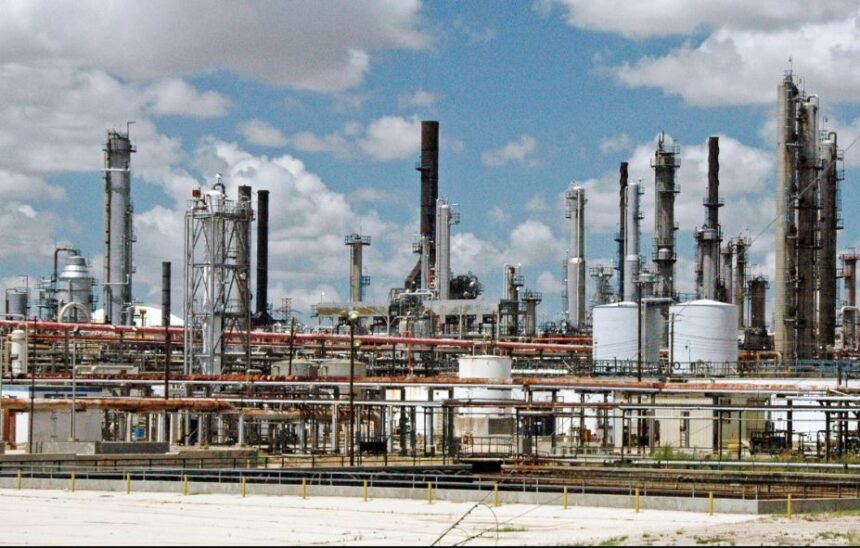
Kenya is set to officially launch the construction of the East Africa Lamu Oil Refinery next week. Deputy President Kithure Kindiki announced that President William Ruto will perform the launch ceremony as part of the counrty’s goal towards becoming a regional energy and petrochemicals powerhouse.
The groundbreaking ceremony, scheduled for Wednesday, is expected to attract leaders from across East Africa and other international partners, underscoring the strategic importance of the project to the region’s energy future. Speaking after a high-level planning meeting at his official residence in Karen, Kindiki described the refinery as a transformative investment that could reshape Kenya’s industrial landscape while strengthening East Africa’s energy security.
Once completed, the refinery is expected to process up to 700,000 barrels of crude oil per day, making it the largest refining facility in East Africa. The project is designed to supply refined petroleum products to domestic and regional markets, reducing reliance on imported fuels and improving the availability of energy products across the region.
READ: Tanzania, Uganda deepen energy partnership through cross-border oil, gas projects
Economic impact
The development is also expected to have a significant economic impact. Government officials estimate that more than 50,000 direct and indirect jobs will be created during construction and operation, providing a major boost to employment and business activity in Lamu County and the wider coastal region.
The refinery forms part of a broader industrialisation strategy that aims to establish Lamu as a regional energy and logistics hub. Plans linked to the project include the development of fuel storage facilities, manufacturing zones, transport infrastructure and other supporting industries that could attract billions of dollars in additional investment.
Dangote Industries selected Lamu after evaluating several potential sites across East Africa, including locations in Tanzania. Preparatory activities, including engineering studies, site assessments and geotechnical investigations, were already underway by mid-2026, paving the way for construction to begin.
The project has received strong backing from the Kenyan government, which views it as a cornerstone investment for the country’s long-term industrial and energy ambitions. To encourage regional participation, Dangote has proposed allocating a combined 30 per cent equity stake in the refinery and related developments to East African countries.
Kenya has been offered a 10% share valued at approximately Sh64.7 billion (about $500 million), while Rwanda and Ethiopia have signalled interest in joining the investment structure. In addition to the refinery, authorities are planning complementary infrastructure, including a proposed 1,000-megawatt power plant and a special economic zone that will support manufacturing, processing, logistics and export-oriented industries. Together, these developments are expected to position Lamu as one of Africa’s most important energy and industrial corridors over the coming decade.