

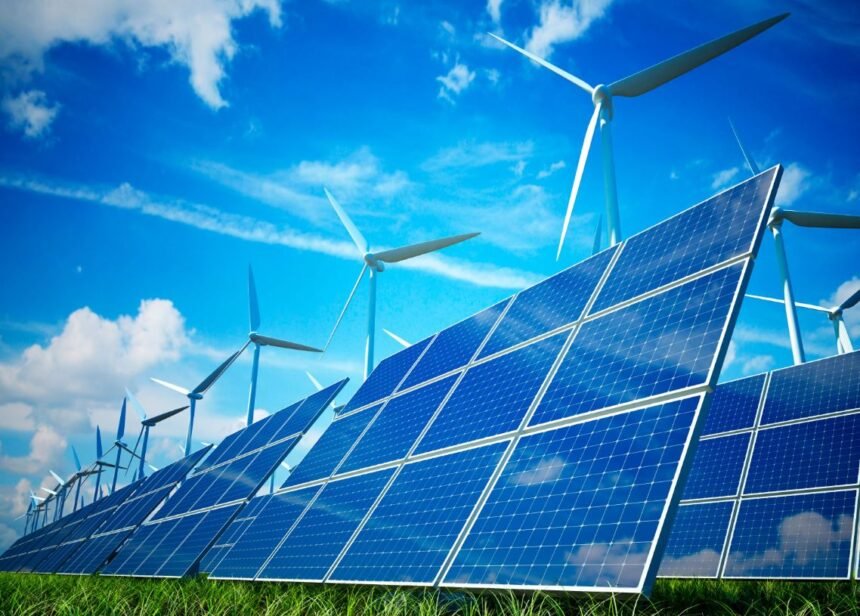
Royal Power & Energy Limited (RPE) has been selected as a successful bidder under the World Bank-supported Utility Enabled Projects (UEP) programme, implemented by the Rural Electrification Agency.
The programme forms part of Nigeria’s broader push to expand electricity access through renewable energy while strengthening collaboration between the public and private sectors to tackle the country’s longstanding power shortages.
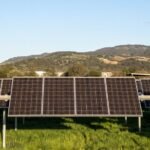
Under the initiative, RPE will deploy interconnected renewable energy mini-grids designed to integrate with existing distribution networks. These systems will supply reliable and sustainable electricity to underserved communities and businesses, particularly in areas where grid power remains limited or inconsistent. The approach is also expected to enhance overall grid stability while extending access.
READ: AfDB grants US $6M for off-grid renewable energy projects in Africa’s fragile states
Nigeria’s energy strategy
Backed by the World Bank, the programme aligns with Nigeria’s strategy to boost renewable energy adoption, improve electricity reliability, and reduce reliance on fossil-fuel generators. RPE’s CEO, Wale Odugbesan, described the development as a major milestone in advancing the company’s mission to reshape Nigeria’s energy landscape. He emphasized the critical role of private sector investment in addressing energy challenges and supporting sustainable growth.
Meanwhile, Abba Abubakar Aliyu, Managing Director of the Rural Electrification Agency, noted that the Utility Enabled Projects programme is central to enabling capable private developers to deliver scalable and sustainable electricity solutions nationwide. Industry observers highlight that decentralized and hybrid renewable systems are playing an increasingly vital role in Nigeria’s energy transition, contributing to improved energy security and supporting economic development.